Expert articles on custom formulation, regulatory trends, private label manufacturing, and global cosmetic innovations.
Choosing the right Private Label Eye Cream supplier in 2026 requires more than attractive packaging and competitive pricing. The best partners combine formulation experience, transparent sourcing, documented quality systems, and realistic market knowledge. They should explain every active ingredient, testing stage, production limit, and claim requirement clearly. Vague promises deserve caution.
Dermatologist and cosmetic industry expert Dr. Zoe Diana Draelos has said, “The eyelid skin is the thinnest skin on the body.” This detail matters when evaluating eye cream formulas. The delicate eye area may react poorly to excessive fragrance, harsh preservatives, or poorly tested actives. Suppliers should provide stability data, microbial testing, ingredient specifications, and suitable packaging that limits air and light exposure.
This guide examines leading Private Label Eye Cream suppliers for brands planning launches in 2026. It considers low minimum order quantities, custom formulation support, manufacturing certifications, sampling speed, packaging options, and international documentation. It also reviews whether suppliers can support responsible claims instead of exaggerated promises.
Results may differ.
A supplier with impressive laboratory equipment may still communicate poorly. Another may offer excellent formulas but lack flexible packaging. These trade-offs are easy to overlook during early negotiations. Brand owners should request samples, review technical files, verify production standards, and test consumer usability before committing. No supplier is perfect. Careful comparison remains the safer business decision.
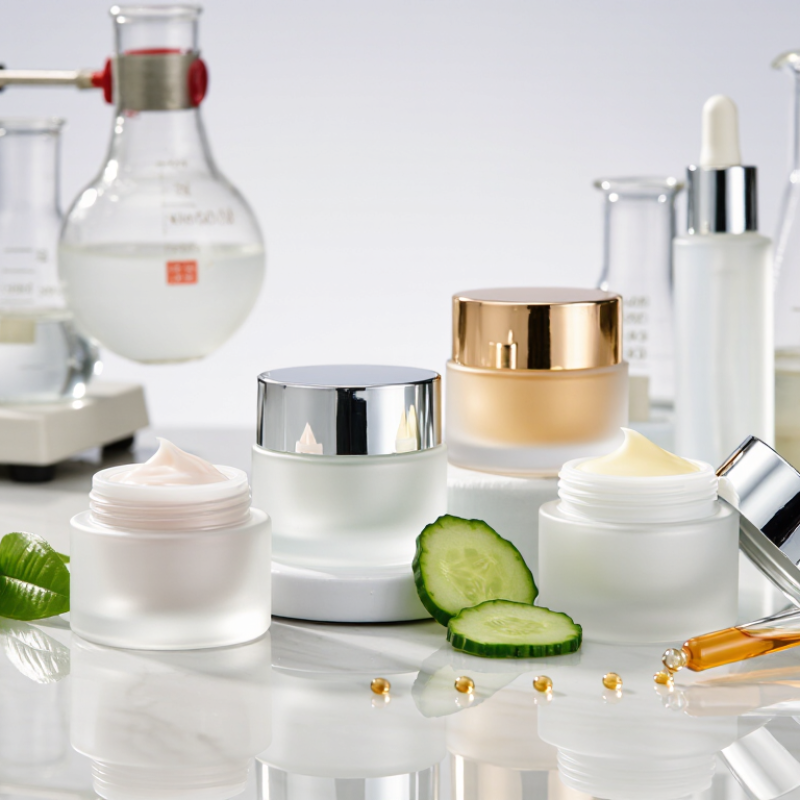
Private label eye cream suppliers are manufacturers that develop, produce, and package eye-care products under another company’s name. They may offer ready-made formulas or create customized textures, such as lightweight gels, rich creams, or fragrance-free options. Their work can include ingredient sourcing, filling, labeling, and packaging support. A reliable supplier should provide clear ingredient lists, product specifications, batch records, and safety testing information.
Choosing a top supplier in 2026 requires more than attractive packaging. Ask about stability testing, preservation systems, microbial testing, minimum order quantities, and production lead times. Request samples from different batches when possible. A smooth sample is encouraging, but it does not prove long-term stability. That detail is easy to overlook. Suppliers should also explain which product claims are supported by evidence and which require additional review in your target market. Local cosmetic rules still matter.
Tips: Compare at least three suppliers. Check their quality certificates and facility standards. Review the full ingredient list, not only highlighted ingredients. Test the cream around the eye area under controlled conditions. Confirm packaging compatibility, especially with airless pumps or delicate applicators. Keep written records of every adjustment. Even experienced buyers can miss small changes in color, scent, or viscosity during scale-up. Reflecting on these details helps prevent costly surprises before commercial production.
Private-label eye cream sourcing for 2026 requires more than comparing prices and sample textures. McKinsey’s The Business of Beauty report projects the global beauty market could reach about $580 billion by 2027, with roughly 6% annual growth. This expansion increases supplier choices, but it can also hide weak quality systems. Grand View Research estimated the global skincare market at $155.7 billion in 2022, showing the scale behind current competition.
Evaluate each manufacturer through documented evidence. Request ISO 22716-aligned procedures, recent microbiological test results, stability data, and batch-specific certificates of analysis. Ask how the supplier tests airless pumps, jars, and formulas after heat and freeze-thaw exposure. Eye-area products need careful preservative control and packaging compatibility. Review the ingredient list, allergen controls, manufacturing records, and claim-support documents before approving samples. A persuasive sales presentation is not proof.
Use a weighted scorecard for quality, traceability, minimum order quantity, lead time, and corrective-action speed. Require pilot batches before a large purchase. Check whether the factory can reproduce the same texture, scent, color, and viscosity across three batches. No scorecard is perfect. I would still question unusually low prices, vague test reports, and promises of instant delivery. The U.S. FDA’s Modernization of Cosmetics Regulation Act also makes responsible facility records and product safety documentation increasingly important for market access. Evidence should travel with every batch.
The best private label eye cream suppliers in 2026 are defined by product strength, not attractive catalogs. In development work, I look for stable textures, clear ingredient documentation, and repeatable production. A smooth cream must spread without pulling delicate skin. It should also absorb without leaving a heavy film.
Suppliers with strong hydration expertise often use humectants, barrier-supporting lipids, and measured occlusive ingredients. These formulas suit dry or tired-looking eye areas. Brightening specialists may offer carefully tested ingredients for uneven tone, while firming suppliers focus on peptides and supportive antioxidants. Sensitive-skin suppliers deserve close attention. Fragrance-free options and low-irritation testing can make a real difference. Results vary, though.
Customization is another major strength. Experienced manufacturers can adjust viscosity, packaging compatibility, and airless pump performance. They should provide stability data, microbial testing, batch records, and ingredient specifications. Ask how they verify claims before approving marketing language. “Clinically tested” should mean more than a vague supplier statement. Request the study design and testing conditions.
No supplier is perfect. A formula may feel elegant but separate after heat exposure. A strong active may also increase sensitivity for some users. I would order pilot samples, test packaging for several weeks, and review production samples before making a decision. Small details matter. Reliable communication matters too. A supplier that explains limitations honestly is often more valuable than one promising instant results.
| Supplier Category | Primary Product Strength | Common Active Ingredients | Typical Active Range | Recommended Skin Concern | Typical Texture | Common Packaging Format | Formulation Considerations | Suitable Positioning |
|---|---|---|---|---|---|---|---|---|
| Retinoid-Focused Manufacturer | Fine-line and wrinkle care | Retinol, retinaldehyde, peptides, tocopherol | Retinol: 0.1%–0.5% Peptides: 1%–5% |
Visible lines, uneven texture and loss of firmness | Light cream or emulsion gel | Opaque airless pump or UV-protective tube | Requires light and oxygen protection; gradual-use guidance is recommended; nighttime use is commonly preferred. | Advanced anti-aging and dermatologist-inspired ranges |
| Peptide-Focused Manufacturer | Firming and elasticity support | Signal peptides, copper peptides, acetyl hexapeptide-8, collagen-supporting ingredients | Peptide complexes: commonly 1%–5% Individual peptides vary by supplier |
Loss of firmness, expression lines and mature-looking skin | Silky lotion or cushion cream | Airless pump, precision nozzle or small jar | Formula pH and compatibility should be checked for each peptide system; marketing claims should remain cosmetic and substantiated. | Premium firming and age-support skincare |
| Brightening-Focused Manufacturer | Dark-circle and dullness care | Niacinamide, vitamin C derivatives, tranexamic acid, licorice-derived ingredients | Niacinamide: 2%–5% Vitamin C derivatives: commonly 3%–10% |
Uneven tone and the appearance of dull under-eye skin | Fast-absorbing gel cream | Opaque tube, airless pump or roller applicator | Brightening performance depends on the selected ingredient form, pH, stability system and consistent daily use. | Radiance, tone-evening and urban skincare collections |
| Hydration-Focused Manufacturer | Dryness and dehydration relief | Hyaluronic acid, glycerin, panthenol, betaine, ectoin | Glycerin: commonly 2%–10% Hyaluronic acid: often 0.05%–0.5% |
Dryness, tightness and dehydration lines | Water gel, gel cream or light emulsion | Tube, pump bottle or single-dose capsule | Humectants work best with a balanced emollient and occlusive system to reduce moisture loss. | Daily hydration, sensitive-skin and minimalist skincare |
| Barrier-Repair Manufacturer | Sensitive-skin and barrier support | Ceramides, cholesterol, fatty acids, squalane, panthenol | Ceramide blends: commonly 0.1%–1% Panthenol: 1%–5% |
Dry, sensitized or moisture-barrier-compromised skin | Rich emulsion or protective balm | Airless pump or hygienic squeeze tube | Lamellar structures and balanced lipid ratios can improve skin-feel and barrier-support positioning; fragrance-free options are common. | Dermocosmetic, sensitive-skin and barrier-care lines |
| De-Puffing-Focused Manufacturer | Temporary puffiness reduction | Caffeine, peptides, green tea extract, escin and soothing agents | Caffeine: commonly 0.5%–3% Botanical extracts vary by extract type |
Morning puffiness and tired-looking eye contours | Cooling gel or lightweight serum-emulsion | Metal-tip tube, rollerball or precision pump | Cooling applicators can improve sensory appeal; results are generally cosmetic and temporary rather than permanent. | Morning-care, travel-size and men’s grooming ranges |
| Antioxidant-Focused Manufacturer | Environmental-stress defense | Vitamin E, ferulic acid, green tea polyphenols, coenzyme Q10 | Vitamin E: commonly 0.1%–2% Antioxidant blends vary by system |
Dullness and the appearance of environmental stress | Light cream or satin-finish emulsion | Opaque airless packaging or UV-protective tube | Antioxidant stability depends on oxygen exposure, light protection, solvent system and preservative compatibility. | Urban defense, wellness and premium daily-care products |
| Natural-Origin Formulation Manufacturer | Plant-based and clean-label concepts | Bakuchiol, botanical oils, aloe vera, calendula and plant-derived humectants | Bakuchiol: commonly 0.5%–2% Botanical ingredients vary by extract type |
Consumers seeking plant-based, gentle and sensory formulas | Botanical cream, balm or serum-emulsion | Recyclable tube, glass jar or airless dispenser | Natural-origin claims require clear ingredient documentation; botanical extracts may affect color, fragrance and stability. | Clean beauty, botanical and naturally positioned collections |
Leading suppliers usually begin with a consultation, not a catalogue. They review your target customer, price point, skin concerns, and preferred textures. Experienced formulators can develop lightweight gels, richer creams, or fragrance-free options. They should explain each ingredient’s function in plain language. Ask for sample batches. Small details matter, such as pilling under concealer or stinging after ten minutes.
Reliable suppliers also provide stability testing, microbiological checks, and production records. They should share relevant test reports and explain what each report proves. Packaging support may include airless pumps, tubes, jars, label layouts, and carton specifications. For eye products, suitable packaging helps limit contamination and protects sensitive formulas from repeated exposure. Documentation must match the destination market. Requirements differ by country, so vague promises deserve caution.
Strong private label partners can manage pilot runs, minimum order quantities, batch coding, quality inspections, and shipment coordination. A clear approval process reduces costly surprises. It should cover color, scent, texture, fill weight, and packaging performance. Some suppliers offer product photography or marketplace-ready files, which can help smaller teams. Yet service lists can sound better than real execution. One delayed sample can reveal weak communication. I would request a written timeline, retained samples, and a named quality contact before placing a large order.
Choosing the right private label eye cream supplier in 2026 requires more than comparing prices. Your supplier must understand sensitive eye-area skin and consistent product development. Ask for ingredient specifications, stability data, microbial testing, and recent quality records. A reliable partner should explain each document clearly. Avoid vague promises about instant results.
Tips: Request samples from several production batches, not only one polished sample. Test texture, absorption, scent, packaging fit, and pump performance. Keep notes from real users with different skin types. Small details often expose weak quality control. Ask how the supplier handles formula adjustments, damaged packaging, and delayed shipments. Their response shows practical experience.
A capable supplier should offer transparent minimum order quantities and realistic production timelines. Confirm whether their facility follows recognized cosmetic manufacturing standards. Check the experience of their technical team, not only the sales representative. Product claims should remain evidence-based and suitable for your target market. Review labeling and safety documents with a qualified local professional. This step may feel slow, but it prevents expensive revisions. I have learned that attractive samples can hide inconsistent batch performance. A second inspection is sometimes necessary. Keep communication records, approved formulas, and packaging specifications before production begins.
Request ingredient specifications, stability data, microbiological results, and batch-specific certificates of analysis.
Request samples from at least three production batches.
Test pumps, jars, and formulas after heat and freeze-thaw exposure.
Ask whether the facility follows recognized cosmetic manufacturing standards.
Use a weighted scorecard covering quality, traceability, order quantity, lead time, and corrective-action speed.
No. Require a pilot batch before approving a large purchase.
Speak with technical staff, not only sales representatives.
Treat unusually low prices and instant-delivery claims as warning signs.
Keep claims evidence-based and suitable for the target market.
Choosing the right Private Label Eye Cream supplier is an important step for brands seeking to develop effective, attractive, and market-ready skincare products in 2026. These suppliers typically provide ready-made or customizable eye cream formulas that can be produced under a client’s own brand name. When evaluating manufacturers, businesses should consider product quality, ingredient transparency, safety testing, production capacity, formulation expertise, packaging options, minimum order quantities, lead times, and communication standards.
Leading suppliers may specialize in different product strengths, such as hydration, soothing care, brightening, firming, or lightweight textures suitable for sensitive skin. Many also offer services including formula customization, sample development, packaging design support, labeling assistance, manufacturing, quality control, and fulfillment coordination. To choose the best partner, brands should compare supplier capabilities with their target customers, pricing strategy, product positioning, and future growth plans. A reliable supplier should demonstrate consistent quality, clear documentation, responsive service, and the flexibility to support long-term brand development.