Industry Knowledge & Articles

Skincare Insights & Blog

Expert articles on custom formulation, regulatory trends, private label manufacturing, and global cosmetic innovations.

0%

The global sun-care market is moving toward convenient, portable protection. Grand View Research identifies rising awareness of ultraviolet exposure as a major sunscreen market driver. Mordor Intelligence also highlights premium formulations, multifunctional products, and expanding e-commerce distribution. These trends create room for Private Label Sunstick brands targeting travel, sports, children, and daily urban use.

A sunstick looks simple, but its supply chain is not. Buyers must examine SPF and broad-spectrum test reports, ingredient documentation, stability data, packaging compatibility, and batch traceability. ISO 22716-based manufacturing practices can strengthen quality controls. Independent laboratory testing remains essential before launch. Marketing claims should match validated evidence and the rules of each target market.

This guide reviews seven Private Label Sunstick suppliers for global buyers. It considers formula flexibility, minimum order quantities, sampling speed, production experience, export support, and packaging options. A practical evaluation might begin with a sample applied to dry skin, over makeup, and after several hours in heat. Texture matters. So does the twist-up mechanism. A broken cap can damage an otherwise strong product.

No supplier ranking is perfect. Public information can become outdated, and factory capabilities may vary by project. That limitation deserves attention. Buyers should request current certificates, audit records, test results, and written quotations before making commitments. The best partner is not always the cheapest manufacturer. It is the supplier that can deliver consistent protection, compliant documentation, and dependable batches across markets.
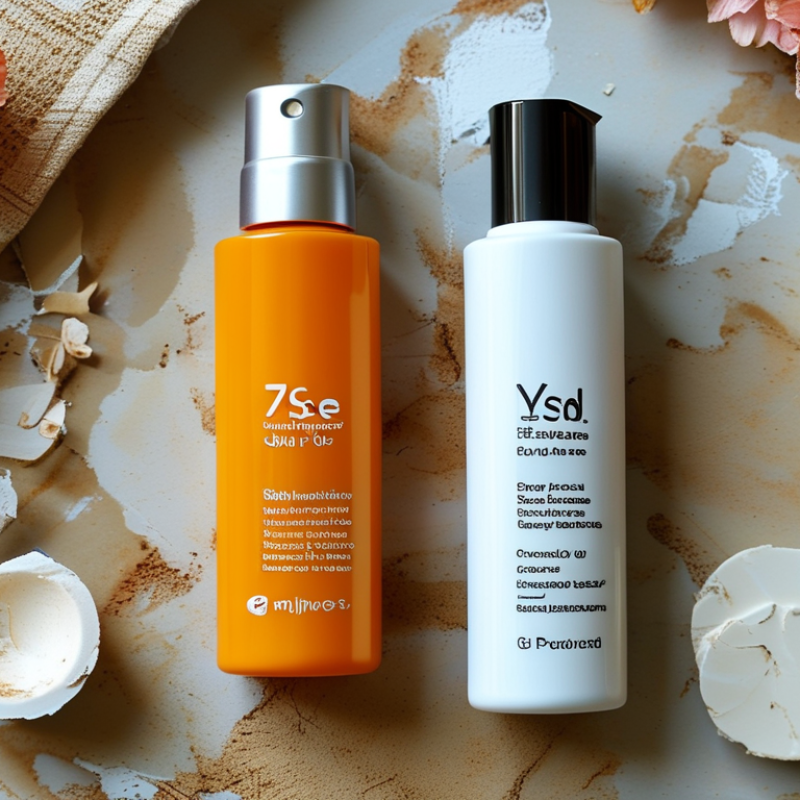
7 Best Private Label Sunstick Suppliers for Global Buyers?

What Is a Private Label Sunstick Supplier?

What Is a Private Label Sunstick Supplier?

A private label sunstick supplier develops, manufactures, fills, and packs sunscreen under a buyer’s name. The buyer usually selects the texture, protection level, fragrance, container, and labeling details. Unlike a simple wholesaler, the supplier should manage formulation records, batch production, testing, and quality control. The sunstick may look small, but its compliance file should not be.

Grand View Research estimates that the global sun care products market reached about USD 13.03 billion in 2022. It also projects steady growth through 2030. This demand creates opportunities for private label products, especially portable formats used on faces, ears, and exposed shoulders. However, demand alone does not prove supplier capability. A reliable partner should provide SPF and broad-spectrum test reports, stability data, ingredient specifications, and manufacturing evidence aligned with ISO 22716 principles.

Buyers should inspect more than minimum order quantity. Ask whether the supplier controls wax melting, filling temperature, stick weight, and application consistency. A stick that drags across dry skin can quickly damage customer trust. Request samples from different production batches, not only one polished prototype. Review claims carefully, because “water-resistant” and protection ratings require proper substantiation in each target market. I would also question unusually low prices. They may reflect efficient production, but they can also hide weaker testing or limited technical support. Fortune Business Insights similarly identifies product innovation and growing sun protection awareness as important market drivers, yet supplier verification remains the buyer’s responsibility.

How to Evaluate Sunstick Formulas, Safety, and Certifications

7 Best Private Label Sunstick Suppliers for Global Buyers?

How to Evaluate Sunstick Formulas, Safety, and Certifications

A reliable sunstick starts with its formula, not its packaging. Check the full ingredient list, active UV filters, waxes, oils, fragrance, and skin-sensitizing materials. The stick should glide evenly without crumbling, dragging, or leaving heavy white marks. Test it on dry skin, sweaty skin, and around the eyes. It sounds simple. Real use is less forgiving.

Ask suppliers for SPF, UVA, broad-spectrum, water-resistance, stability, and preservative challenge reports. These tests should identify methods, laboratories, sample codes, and dates. A certificate without traceable details proves very little. Confirm that the testing matches your target markets, because sunscreen rules differ across countries. Also request batch-specific certificates of analysis, manufacturing records, and a current safety assessment. Do not guess.

Manufacturing quality deserves equal attention. Review the facility’s cosmetic GMP controls, cleaning records, raw-material traceability, and filling conditions. ISO-based documentation can support confidence, but it does not automatically approve a finished product everywhere. Packaging matters too. Poorly sealed sticks may soften in a hot warehouse or collect dust near the cap. A practical review can still miss something; formula performance may change after transport, especially in tropical climates. Independent testing before launch is worth considering, even when the supplier provides polished documents. Small details matter.

7 Best Private Label Sunstick Suppliers for Global Buyers? - How to Evaluate Sunstick Formulas, Safety, and Certifications
No. Supplier Evaluation Area What the Supplier Should Provide Relevant Testing, Certification, or Regulation Practical Benchmark for Buyers Decision Signal
1 Broad-Spectrum UV Protection A complete sunscreen formula dossier identifying UV filters, their concentrations, photostability data, SPF test reports, UVA results, and the intended sales markets. SPF testing should follow a recognized method such as ISO 24444. UVA performance may be assessed using ISO 24443 or an applicable regional method. The claimed SPF and UVA protection should be supported by independent laboratory reports for the finished sunstick, not only by raw-material documentation. High priority
2 Formula Stability and Stick Performance Stability data covering appearance, odor, color, hardness, pay-off, melting behavior, packaging compatibility, and performance after temperature cycling. Stability programs should use documented accelerated and long-term conditions. The exact protocol depends on the formula, packaging, and target market. The finished product should remain uniform and usable after heat exposure, cooling, transportation simulation, and repeated opening and closing. Must verify
3 Microbiological and Preservative Safety Batch-specific microbial test results, preservative strategy, production-water controls, challenge-test information where applicable, and a defined product-release specification. ISO 17516 provides guidance for microbiological quality of cosmetics. Preservative efficacy testing may be relevant when the formula and packaging create microbiological risk. Every production batch should be released against documented microbiological specifications, with traceable laboratory records and corrective-action procedures. Safety essential
4 Manufacturing Quality System Manufacturing-site information, standard operating procedures, batch records, raw-material traceability, deviation management, complaint handling, and product recall procedures. ISO 22716 is the internationally recognized Good Manufacturing Practices guideline for cosmetics. Certification should be confirmed through a valid certificate and its scope. The certificate, manufacturing address, product category, and validity dates should match the facility actually producing the sunstick. Audit required
5 Regulatory and Label Compliance Ingredient list using accepted INCI names, product information file support, safety assessment documents, label artwork review, claims substantiation, and market-specific compliance guidance. Requirements differ by market, including the EU Cosmetics Regulation, the United States sunscreen monograph framework, and the regulations of individual Asian and Middle Eastern markets. The supplier should identify which UV filters are legally permitted in each destination market and should not reuse one formula dossier for every jurisdiction without review. Market dependent
6 Water-Resistance and Consumer Claims Test reports supporting claims such as water resistance, sweat resistance, non-comedogenicity, sensitive-skin suitability, reef-related statements, or mineral-filter positioning. Water-resistance testing may use ISO 16217 and ISO 18861 where applicable. Claims must also follow the advertising and cosmetics rules of the destination market. A marketing claim should be used only when the exact finished formula and application method have been tested; raw-material supplier statements alone are insufficient. Evidence based
7 Packaging, Supply Capacity, and Traceability Packaging specifications, compatibility testing, filling capacity, minimum order quantity, lead times, lot coding, shipping conditions, defect controls, and contingency plans. Packaging should protect the formula from contamination, leakage, deformation, and excessive heat. Environmental and recycling requirements vary by destination market. Buyers should approve a production sample, confirm the batch-code system, verify carton and component tolerances, and obtain written capacity and lead-time commitments. Operational fit
Buyer note: Certification logos and test claims should be verified against the original certificate or laboratory report. SPF, UVA, water-resistance, and permitted UV-filter requirements can vary by jurisdiction; final regulatory review should be completed for each intended sales market.

Which Manufacturing and Customization Services Do Suppliers Offer?

Private label sunstick suppliers usually provide more than a ready-made formula. Many offer oil-based, mineral, or hybrid sunscreen bases, depending on the target market and product positioning. Buyers can request changes to texture, glide, finish, scent, and skin feel. A reliable manufacturer should explain which ingredients support the formula and which claims require testing.

Customization may include stick shape, tube size, cap design, color, label printing, cartons, and tamper-evident seals. Some factories also provide filling, assembly, batch coding, and export documentation. Packaging samples matter. A cap that feels loose during transport can damage customer trust. A strong supplier will test leakage, heat stability, and mechanical stress before mass production.

Testing support separates serious manufacturers from simple traders. Ask for stability testing, microbiological checks, compatibility testing, and documented SPF or broad-spectrum evaluations where required. Suppliers should also provide ingredient lists, safety data, certificates, and traceable batch records. Requirements differ across countries, so one certificate may not satisfy every market. This is often overlooked.

Minimum order quantities can vary widely. Lower quantities may help new buyers test demand, but unit costs can rise sharply. Custom molds also increase development time and expense. Not every customization improves the product. A heavier tube may look premium, yet frustrate users carrying it daily. Buyers should compare samples, production controls, lead times, and communication quality before approving a private label sunstick.

Private Label Sunstick Supplier Services

This benchmark highlights the service areas most commonly evaluated by global buyers when selecting private label sunstick manufacturers. Product formulation, packaging customization, regulatory documentation, and sample development are key considerations for international sourcing.

How to Compare Pricing, Minimum Orders, and Production Capacity

Choosing among the 7 best private label sunstick suppliers requires more than comparing the lowest quotation. Ask for a full cost breakdown, including formula development, packaging, filling, testing, labels, and shipping preparation. A supplier may quote a low unit price while adding expensive mold or artwork fees later. Ask for proof.

Minimum order quantity can change the entire investment. Some suppliers accept pilot orders, while others require thousands of units per shade or package type. Confirm whether the MOQ applies to each formula, scent, color, or total order. Request a written sample policy and clarify revision fees. Small trial orders reduce exposure, but they may carry higher unit costs.

Production capacity needs practical verification.

Ask about daily output, available filling lines, seasonal scheduling, and quality-control staffing. Request recent production records, stability information, batch coding examples, and relevant facility certifications.

Capacity matters. A large factory is not automatically reliable if communication is slow or inspection standards vary between batches. Compare lead times for samples, packaging approval, bulk production, and reorders.

Also check whether the supplier can support sunscreen requirements in your target markets, because testing and labeling rules differ by country. A supplier’s answers should be specific, dated, and consistent. Vague promises deserve a second review.

Pricing alone is a weak decision tool. Reliability often appears in the details buyers initially overlook.

How to Select the Right Supplier for Global Distribution

Selecting among the seven best private label sunstick suppliers requires more than comparing unit prices.

Grand View Research estimated the global sun care products market at approximately USD 11.6 billion in 2023, with continued growth expected through 2030. That growth attracts inexperienced manufacturers.

Ask for recent SPF and UVA test reports, not promotional claims. Testing should follow recognized methods, including ISO 24444 for SPF and ISO 24443 for UVA protection.

Documentation matters. A capable supplier should provide ingredient specifications, stability results, microbiological testing, batch records, and packaging compatibility data. ISO 22716-based manufacturing controls can improve traceability and production consistency. For European distribution, review the Product Information File and safety assessment requirements under Regulation (EC) No 1223/2009. Other markets may require different claims, labeling, or notification procedures. One formula may not fit every country.

Sample the product in real conditions. Twist the stick repeatedly, leave it in a warm delivery vehicle, and check sweating, breakage, odor, and application drag. It sounds simple. It catches problems.

Request pilot batches before signing large minimum orders. Evaluate lead times, refill capacity, audit access, and responses to defective goods. Some suppliers appear highly professional until a complaint arrives.

I would score compliance at 30%, product performance at 30%, supply reliability at 25%, and price at only 15%. This weighting is imperfect, but cheap sunscreen with unstable quality can create expensive distribution failures.

Reference: Grand View Research, Sun Care Products Market Report, 2024.

FAQS

What should buyers examine in a sunstick formula?

Check the complete ingredient list, UV filters, waxes, oils, fragrance, and sensitizing materials. The stick should glide evenly. It should not crumble or drag. Test it on dry skin, sweaty skin, and around the eyes. Real use can expose problems quickly.

Which testing reports should suppliers provide?

Request SPF, UVA, broad-spectrum, water-resistance, stability, and preservative challenge reports. Each report should show the method, laboratory, sample code, and testing date. A certificate without traceable details proves little. Do not guess.

Do certificates automatically prove market compliance?

No. Sunscreen requirements differ between countries and regions. Confirm that testing matches each target market. Ask for current safety assessments, batch-specific analysis certificates, and manufacturing records. One certificate may not satisfy every market.

How can buyers assess manufacturing quality?

Review cosmetic GMP controls, cleaning records, raw-material traceability, and filling conditions. Check whether production records connect materials to specific batches. ISO-based documents can support confidence. They do not automatically approve finished products everywhere.

What packaging problems should buyers watch for?

Inspect caps, seals, tubes, labels, and tamper-evident features. A loose cap may collect dust or cause leakage. A stick can soften in a hot warehouse. Test heat stability, leakage, transport stress, and package compatibility.

What customization options are commonly available?

Suppliers may adjust texture, glide, finish, scent, skin feel, tube size, shape, colors, and printed cartons. They may also provide filling, assembly, coding, and export documents. Not every customization helps. A heavier tube can feel premium but become annoying to carry.

Why are samples and independent tests important?

Samples reveal crumbling, dragging, heavy white marks, or uneven application. Test them after transport and in warm, humid conditions. Independent testing before launch can reveal issues hidden by polished supplier documents. Even careful reviews can miss something.

How should buyers evaluate minimum order quantities and development costs?

Lower quantities can help test demand, but unit costs may rise sharply. Custom molds can increase time and expense. Compare samples, lead times, production controls, communication, and documentation. Cheap development is not always practical. Reconsider the trade-off.

Conclusion

Choosing the right Private Label Sunstick supplier is essential for businesses seeking reliable, scalable, and market-ready sunscreen products. A qualified supplier should provide clear information about formula ingredients, UV protection performance, skin safety testing, stability, and applicable certifications. Buyers should also confirm whether formulas can be adjusted for different skin types, climates, textures, and regional requirements while maintaining consistent quality.

Beyond product safety, global buyers should compare each supplier’s manufacturing capabilities and customization services, including packaging design, labeling, fragrance options, sample development, and quality control. Pricing should be evaluated alongside minimum order quantities, lead times, production capacity, payment terms, and shipping support rather than by unit cost alone. The best supplier will offer transparent communication, dependable documentation, flexible customization, and sufficient production resources to support long-term distribution across multiple markets. A careful evaluation process can reduce supply risks and help create a sunstick product that meets consumer expectations and applicable regulations.

Amelia

Amelia

Amelia is a dedicated marketing professional with a strong understanding of product strategy, customer needs, and digital communication. As a valued member of our company, she combines market insight with practical product knowledge to create clear, useful, and engaging content for both industry......