Industry Knowledge & Articles

Skincare Insights & Blog

Expert articles on custom formulation, regulatory trends, private label manufacturing, and global cosmetic innovations.

0%

Choosing a Private Label Lip Mask supplier in 2026 requires more than comparing glossy catalogs and low minimum order quantities. The lip care category continues to attract consumers seeking hydration, repair, comfort, and visible results. Grand View Research reports that the global lip care products market is expanding steadily, supported by premium skincare routines and demand for specialized treatments. Euromonitor International’s Beauty and Personal Care analysis also highlights product efficacy, ingredient transparency, and responsible sourcing as important purchasing factors.

The supplier must prove that its formula performs under real conditions. Ask for stability data, microbiological testing, ingredient specifications, and complete INCI documentation. A sample should remain smooth after temperature changes, not separate inside a small cosmetic jar. It should also feel comfortable after application, without excessive fragrance or a sticky finish. Start with evidence. Marketing language is not evidence.

NIQ consumer research has repeatedly shown that shoppers examine product claims, reviews, and brand trust more closely. Therefore, evaluate whether the manufacturer can support claims such as “overnight repair,” “barrier support,” or “long-lasting hydration.” Check GMP practices, batch traceability, packaging compatibility, and production consistency. ISO 22716 guidance can provide a useful benchmark for cosmetic manufacturing quality, although certification alone does not guarantee a perfect partnership. No supplier looks perfect on paper. Request pilot samples, inspect communication speed, and review how problems are handled. A reliable partner should explain limitations clearly, protect formula confidentiality, and provide realistic lead times. The cheapest quote may become expensive when failed samples, delayed packaging, or weak documentation damage a launch.
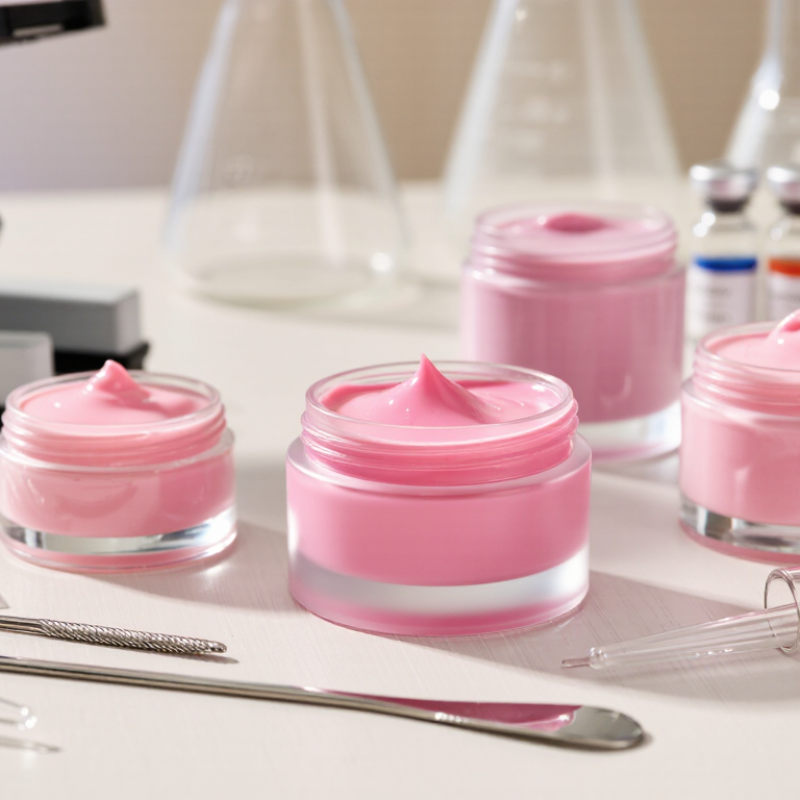
How to Choose a Private Label Lip Mask Supplier in 2026?

Define Your Lip Mask Product Goals and Target Market

Choosing a private label lip mask supplier in 2026 should begin with a clear product goal. Decide whether the mask will hydrate overnight, soften flaky lips, or offer a cooling daytime treatment. These goals affect texture, packaging, usage instructions, and ingredient selection. A thick balm may suit overnight care, while a lighter gel may feel better before makeup. Define the experience in practical terms: a smooth scoop, no gritty residue, and comfortable wear for eight hours. Keep the promise realistic. I once saw a product brief demand instant repair, luxury texture, low cost, and a six-month launch. That combination needed revision.

A target market needs more than age and gender. Consider climate, daily routines, price sensitivity, fragrance preferences, and shopping habits. Customers in dry winter regions may value rich moisture, while humid-market users may prefer a non-sticky finish. Sensitive-skin consumers may request fragrance-free formulas and clear ingredient communication. Test assumptions with small surveys or sample groups before finalizing specifications. Ask potential users about jar size, applicator comfort, and when they apply lip care. Their answers may challenge internal opinions.

Share a concise product brief with potential suppliers. Request ingredient functions, stability data, microbial testing details, packaging compatibility, minimum order quantities, and realistic production timelines. A reliable supplier should explain limitations, not approve every claim. Check whether samples match the approved formula and whether batch records are available. Leave room for improvement. Early samples may separate, feel too waxy, or arrive in inconvenient packaging. Document each issue and revise one variable at a time. This process builds a product for real customers, not an imagined audience.

Compare Supplier Formulation, Manufacturing, and Customization Options

How to Choose a Private Label Lip Mask Supplier in 2026?

Choosing a private label lip mask supplier requires more than reviewing attractive samples. Examine the formulation in detail. Ask whether the mask uses tested humectants, barrier-supporting oils, and skin-compatible preservatives. Request the complete ingredient list, safety data, stability results, and microbial testing records. A glossy sample can still mislead. Check its texture after opening, refrigeration, and several weeks at room temperature.

Manufacturing quality should be visible in the supplier’s process. Confirm batch tracking, sanitation procedures, filling accuracy, and packaging compatibility. The container should protect the formula from air, light, and repeated finger contact. Ask for pilot-batch records before approving large production. Small details matter. A slightly uneven fill can damage customer trust.

Customization also needs practical limits. Reliable suppliers can adjust fragrance, color, texture, container size, and label presentation without weakening product safety. Discuss minimum order quantities, sampling fees, lead times, and revision rounds in writing. A good technical team will explain what cannot be changed and why. That honesty is valuable. However, customization can become expensive when every revision is treated as urgent. I have seen teams focus on visual effects and overlook overnight comfort. Reconsider the brief after testing the mask on dry, sensitive lips, not only after viewing it under studio lighting. Suppliers should also provide clear documentation for local market requirements and keep records updated through production.

Verify Quality Standards, Certifications, and Ingredient Transparency

How to Choose a Private Label Lip Mask Supplier in 2026?

A reliable supplier should show more than attractive samples and polished claims. Ask for current GMP evidence, preferably aligned with ISO 22716 principles, and confirm the audited facility address. Check the certificate’s scope, issue date, expiration date, and covered products. A document copied from an old project is a warning sign. Request batch-specific Certificates of Analysis for microbial limits, heavy metals, viscosity, and stability. Independent laboratory results add useful confidence. They are not magic proof.

Ingredient transparency deserves equal attention. The supplier should provide the complete INCI list, ingredient percentages or ranges, allergen information, and the origin of key materials. Ask how fragrances, preservatives, colorants, and botanical extracts are controlled. Review safety data, contamination controls, and compatibility tests with the actual jar or sachet. A lip mask can look stable in a sample room, then separate after heat exposure. That detail is easy to miss. I would also request accelerated stability data, though it cannot replace real-time testing.

Tips: Compare documents line by line. Contact the issuing laboratory when practical. Request a small pilot batch before scaling. Record every answer. If a supplier avoids simple questions, pause. Also, leave room for correction; even a careful checklist can miss packaging migration or a changed raw-material source. Verify updates before each production run.

Assess Minimum Orders, Pricing, Packaging, and Production Timelines

Choosing a private label lip mask supplier in 2026 requires more than comparing catalog prices. Ask for the minimum order quantity for each formula, package type, and variant. A low MOQ may hide setup fees. Request a quotation that separates formula, tooling, testing, filling, labels, and freight. Reliable suppliers explain their assumptions clearly. That matters. Also request ingredient specifications, batch records, and quality-control procedures before signing an agreement.

Packaging must suit the formula, customer use, and shipping conditions. Ask whether jars, tubes, spatulas, and cartons are stocked or produced after approval. Stock components may shorten the launch, while custom colors can add several weeks. Order physical samples. I once underestimated how easily a thick mask could cling to a narrow tube. That small detail affected filling speed and user experience. Check closure strength, label adhesion, leakage, and carton protection through practical tests.

Ask for a production timeline divided into sample approval, artwork confirmation, component sourcing, filling, inspection, and dispatch. Include a buffer for revisions and delayed materials. A supplier promising “ready in 30 days” is not enough. Confirm daily capacity, inspection methods, and holiday shutdown dates. Timelines can still slip. Put every milestone, payment condition, and responsibility in writing, then compare the supplier’s promises with evidence from recent production records.

How to Choose a Private Label Lip Mask Supplier in 2026?

Planning benchmarks for minimum orders, pricing, packaging, and production timelines

500–1,000 Typical MOQ for a small launch
$0.60–$1.50 Indicative bulk unit-cost range
7–21 days Packaging preparation and setup
20–45 days Typical bulk production timeline

Use these figures as a supplier-screening baseline rather than a guaranteed quotation. A strong candidate should clearly confirm the MOQ, formula and packaging inclusions, unit price at different order volumes, artwork and sampling requirements, production capacity, and delivery schedule before you place an order.

Evaluate Samples, Communication, Compliance, and Long-Term Reliability

Choosing a private label lip mask supplier in 2026 requires evidence, not attractive packaging. Fortune Business Insights valued the global lip care market at USD 4.57 billion in 2023, with continued growth projected through 2032. That opportunity attracts rushed factories.

Request three samples from separate batches, not one perfect jar. Check texture after 24 hours, scent stability, seal integrity, and filling accuracy.

Apply the mask before sleep. Note stickiness, irritation, and morning residue. Small details expose weak formulation control. I once overvalued a smooth first sample. That was a useful mistake.

Communication should be tested like production. Ask for formulation sheets, ingredient percentages, lead times, minimum order quantities, and change-control procedures. Strong suppliers answer clearly and document revisions. Slow replies are not automatically disqualifying. Vague replies are.

The McKinsey Future of Wellness report estimates the global wellness market at USD 1.8 trillion, increasing pressure for credible claims. Do not accept “repair” or “medical” promises without substantiation.

Ask for stability, microbiological, preservative-efficacy, and packaging-compatibility evidence. Independent laboratory results are preferable. Sometimes the paperwork looks incomplete. Pause there.

Compliance must match the selling region. For the United States, confirm MoCRA facility registration, product listing responsibilities, safety substantiation, and adverse-event procedures.

For the European Union, verify a responsible person, product information file, safety assessment, and CPNP notification. Request batch COAs and traceable raw-material records.

A reliable supplier should explain recall support and retained samples. Long-term reliability appears in pilot orders, not promises. Compare delivery accuracy across three shipments. Review complaint response times. Keep a written scorecard.

A cheaper quote can become expensive after reformulation, delays, or rejected goods.

FAQS

What should I define before contacting a lip mask supplier?

Define the main use, such as overnight hydration or daytime cooling. Choose the texture, packaging, wear time, and realistic claims. A thick balm may suit sleep, while a light gel may suit makeup routines. “Instant repair” may sound attractive, but it needs evidence.

How can I understand my target customers better?

Study climate, routines, budgets, fragrance preferences, and shopping habits. Dry winter users may prefer rich moisture. Humid-market users may dislike sticky residue. Ask small user groups about jar size, applicator comfort, and application timing. Internal assumptions can be wrong.

What documents should a supplier provide?

Request ingredient lists, safety information, stability data, microbial results, and packaging-compatibility tests. Ask for batch-specific analysis reports covering contamination, viscosity, and stability. Review document dates and covered products. Old paperwork is not enough.

How can I check ingredient transparency?

Request the complete ingredient list, ingredient ranges, allergen details, and key material origins. Ask how preservatives, fragrances, colorants, and extracts are controlled. Sensitive users may need fragrance-free options. Clear information builds trust.

How should I evaluate product samples?

Request samples from separate batches, not one attractive jar. Check texture after twenty-four hours, scent changes, seal strength, filling accuracy, and residue. Apply the mask before sleep. Notice stickiness and morning comfort. One smooth sample proves little.

What should I test in the packaging?

Test the actual jar or sachet with the formula. Check leakage, separation, heat exposure, and applicator comfort. Packaging can affect product stability. I once focused too much on texture and missed inconvenient packaging.

How can I judge supplier communication?

Ask about formulation sheets, minimum order quantities, production times, and change-control procedures. Good suppliers explain limits and record revisions. Slow replies may be acceptable. Vague replies deserve caution. Pause there.

How can I assess long-term reliability?

Compare delivery accuracy across several shipments. Review complaint response times, retained samples, recall support, and traceable material records. Keep a written scorecard. A lower quote can become expensive after delays or reformulation. My checklist could still miss something.

Conclusion

Choosing a Private Label Lip Mask supplier in 2026 begins with clearly defining your product goals, target customers, desired benefits, texture, flavor, and positioning. Compare suppliers based on their formulation expertise, manufacturing capabilities, customization services, and ability to develop formulas that match your market expectations. It is also essential to review quality management systems, relevant certifications, ingredient transparency, testing procedures, and documentation to support product safety and consistency.

Before making a decision, assess minimum order quantities, pricing structure, packaging choices, production capacity, and estimated lead times. Request samples to evaluate texture, appearance, performance, and overall customer experience. Clear communication, responsive service, regulatory awareness, and reliable documentation can help prevent delays and misunderstandings. Finally, consider whether the supplier can maintain consistent quality, support future product improvements, and grow with your business. A thorough evaluation will help you build a dependable long-term partnership and launch a lip mask product with confidence.

Isla

Isla

Isla is a dedicated marketing professional with a strong understanding of product strategy, customer needs, and digital communication. As a regular contributor to the company’s professional blog, Isla transforms complex product information into clear, practical, and engaging content that helps......