Industry Knowledge & Articles

Skincare Insights & Blog

Expert articles on custom formulation, regulatory trends, private label manufacturing, and global cosmetic innovations.

0%

Finding reliable Private Label Self Tanner suppliers requires more than comparing price lists. Product quality, manufacturing controls, documentation, and formula stability matter equally. A supplier may offer attractive packaging, yet fail during heat testing or batch consistency checks. That mistake can damage customer trust quickly.

Grand View Research reports that the global self-tanning products market is expanding steadily, supported by demand for sunless tanning and at-home beauty products. Fortune Business Insights also identifies skincare innovation, clean-label positioning, and e-commerce as important market drivers. These reports suggest opportunity, but they do not guarantee supplier reliability. Market growth can attract inexperienced manufacturers.

Dermatologist Dr. Zoe Diana Draelos has repeatedly emphasized, “There is no such thing as a healthy tan.” Her warning reinforces the need for responsible product development. Buyers should request ingredient lists, stability data, microbial testing, safety assessments, and production certifications. Ask how the supplier controls color development, odor, drying time, and transfer onto clothing. Request physical samples, not only catalog images.

Look closely at the factory. Are filling areas clean and organized? Can the supplier explain batch coding and complaint handling? Can it support small trial orders before large production? These details reveal practical experience.

The strongest suppliers communicate clearly and document every claim. Still, no checklist is perfect. A polished audit can miss weak after-sales support. Therefore, compare samples, records, lead times, and customer references together. This guide explains how to evaluate China-based Private Label Self Tanner suppliers with greater confidence, while avoiding assumptions that could become expensive later.
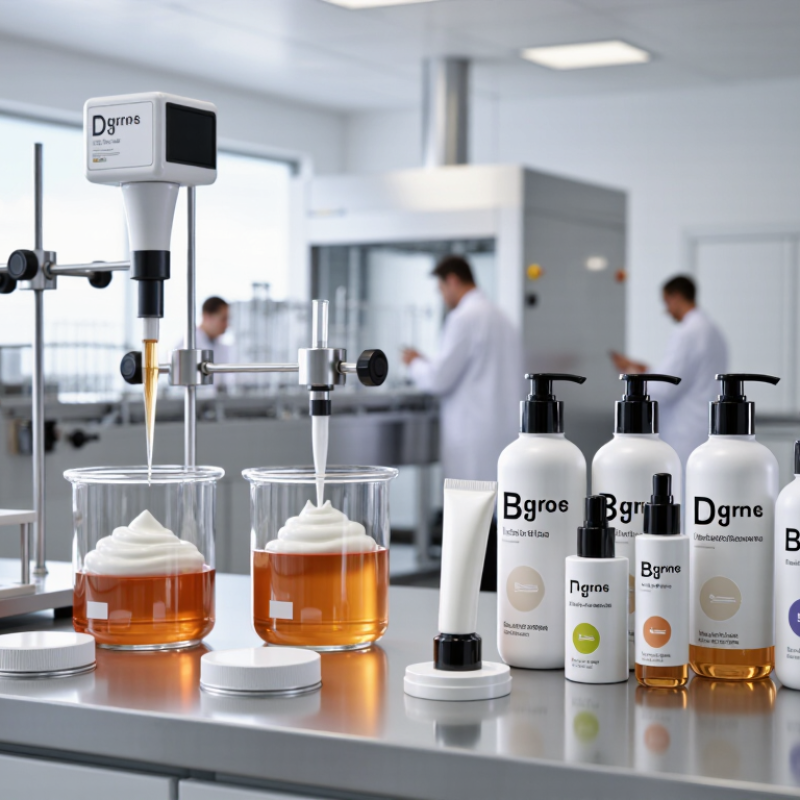
How to Find China Top Private Label Self Tanner Suppliers?

Define Your Private Label Self-Tanner Requirements

Before contacting China’s top private label self-tanner suppliers, define the product you actually need. Decide the target customer, skin tones, tanning depth, and preferred format, such as mousse, lotion, drops, or spray. Specify the desired development time, fragrance level, drying speed, and finish. A natural-looking result matters, but “natural” needs a measurable description. For example, request a medium bronze tone with minimal orange undertones.

Your brief should include packaging details, expected order volume, target price, and delivery destination. Ask for ingredient specifications, test reports, shelf-life data, and product samples. Suppliers should explain their quality-control process clearly. Check whether they can provide compliant labels and documentation for your target market. Avoid unsupported claims. A supplier may promise a fast launch, but rushed sampling can hide problems like uneven fading or stained clothing.

Tips: Test samples on several skin tones, not only on a pale arm. Take photos in daylight after application, eight hours later, and after washing. Record odor, texture, transfer, and fading. Keep one sample for comparison. I once underestimated packaging compatibility, and the formula slowly discolored the pump. That mistake was expensive. Your requirements may change after testing, and that is normal. Be specific, but leave room for evidence.

How to Find China Top Private Label Self-Tanner Suppliers?

Define Your Private Label Self-Tanner Requirements

Before contacting suppliers, define the requirements that matter most for your product. This planning model gives the highest priority to regulatory documentation, formulation performance, quality testing, packaging customization, minimum order quantity, and production lead time. The percentages are procurement-planning weights rather than market-share statistics.

Research China’s Leading Self-Tanner Manufacturing Regions

How to Find China Top Private Label Self Tanner Suppliers?

China’s leading self-tanner manufacturing regions offer different strengths. Guangzhou, especially Baiyun, has a dense cosmetics supply network and experienced formulation teams. Many factories there produce tanning mousses, lotions, drops, and spray products. The region also supports flexible private label orders and efficient packaging sourcing.

Zhejiang is useful for buyers seeking packaging variety and competitive production costs. Ningbo and Yiwu connect manufacturers with pumps, bottles, labels, and cartons. However, packaging suppliers may not provide formulation expertise.

Jiangsu, including areas near Suzhou, often offers stronger industrial systems and more structured quality management. Some factories support stability testing, microbial testing, and controlled batch production. Do not assume every factory has equal technical ability. Verify it.

Tips: Request samples from suppliers in at least two regions. Compare color development, scent, drying time, and transfer resistance. Ask for ingredient specifications, batch records, test reports, and factory certifications. A reliable supplier should explain DHA concentration, packaging compatibility, and shelf-life testing clearly. Check whether the sample matches the final production formula. This small detail is often missed. A virtual factory tour helps, but an independent inspection provides stronger evidence. Test the product on different skin tones before approving a large order. Results can vary more than expected.

Verify Supplier Qualifications, Formulas, and Product Safety

How to Find China Top Private Label Self Tanner Suppliers?

When I assess a private label self-tanner supplier, I start with the factory, not the sample bottle. Ask for the manufacturing license, quality certificates, audit records, and batch traceability process. Documents matter. Check whether certificates match the legal company name, factory address, and actual production scope. A polished certificate folder can still hide weak controls. Request recent third-party audit reports when available, and verify them independently.

Formula review requires more than checking color and scent. Require the complete INCI list, ingredient specifications, allergen information, and a clear explanation of the tanning agent. Ask how the supplier controls pH, viscosity, odor, and color changes between batches. Review stability results under heat, light, and freeze-thaw conditions. Packaging compatibility also matters. A formula may remain safe but stain its pump, cap, or label adhesive. I once trusted a good-looking sample too quickly. That shortcut was a mistake.

Safety evidence should include microbial testing, heavy metal screening where relevant, preservative effectiveness data, and a current certificate of analysis for each batch. Ask for safety data sheets and target-market compliance documents. An independent laboratory can repeat key tests before mass production. Keep retained samples from every approved batch. Small details help. If a supplier avoids technical questions or changes formulas without written approval, pause the project. A qualified supplier should explain limitations clearly, not promise perfect results.

Compare Samples, Pricing, Minimum Orders, and Production Capacity

How to Find China Top Private Label Self Tanner Suppliers?

Comparing samples is more useful than judging photographs or sales claims. Request the same shade in mousse, lotion, or mist formats when possible. Check color development after two, six, and twelve hours. Note streaking, scent, drying time, transfer onto a white cotton sleeve, and fading after washing. A sample may look excellent under factory lighting but uneven near a bathroom window. That detail matters.

Pricing should include more than the formula and bottle. Ask for separate costs covering packaging, filling, testing, artwork, cartons, and shipping terms. A low unit price can hide expensive custom development or complicated packaging. Compare three quotations with identical specifications. Check whether the price changes at 1,000, 5,000, and 10,000 units. Request ingredient documentation, stability results, batch records, and quality inspection procedures. Clear documents build trust.

Minimum order quantities should match your sales risk. A smaller pilot order may cost more per unit, but it protects cash flow while customer feedback is limited. Discuss sample fees and whether they become credit after production. Production capacity also needs evidence. Ask about daily filling output, current schedules, lead times, and backup equipment. A factory promising one million units may still miss a small launch window. I once treated fast replies as proof of reliability; that was a weak assumption. Verify capacity through records, facility videos, and written delivery commitments.

Evaluate Communication, Packaging Services, and Export Support

How to Find China Top Private Label Self Tanner Suppliers?

Evaluate communication before comparing prices. A reliable supplier should answer formulation, lead time, testing, and minimum order questions clearly. Ask for a written development timeline. Request sample feedback within a fixed period. Slow replies often become larger problems during production.

Packaging services deserve close inspection. Ask whether the supplier supports bottle selection, artwork proofing, batch coding, carton testing, and leakage checks. Self-tanner can stain labels and outer cartons if filling control is weak. The OECD Global Plastics Outlook reports that packaging represents about 40% of plastic waste. Therefore, discuss recyclable materials, reduced components, and accurate disposal information. Sustainable packaging still needs practical protection.

Export support shows operational maturity. Request examples of commercial invoices, packing lists, certificates of origin, and shipping procedures. The United Nations Conference on Trade and Development notes that over 80% of global merchandise trade moves by sea. A supplier should explain freight options, customs documents, and destination-market requirements. Grand View Research forecasts steady growth in the global self-tanning products market through 2030, increasing pressure on quality and delivery. I once overlooked carton drop testing because the sample looked attractive. That was a mistake. Ask for stability data, packaging compatibility checks, and traceable production records. Do not accept “export experience” without evidence.

How to Find China Top Private Label Self Tanner Suppliers? - Evaluate Communication, Packaging Services, and Export Support

Evaluation Area Key Metric Strong Supplier Benchmark Evidence to Request Suggested Weight Score
(1–5)
Communication Initial response speed Replies within one business day and answers every technical and commercial question directly. Email or platform message records; completed quotation checklist. 8% □
Communication clarity Accuracy of product information Provides consistent details for formula, shade, application time, shelf life, MOQ, lead time, and payment terms. Written specification sheet and signed quotation. 8% □
Project management Dedicated contact and milestone control Assigns one accountable contact and provides milestones for sampling, artwork approval, production, inspection, and shipment. Project timeline, approval flow, and escalation contact. 7% □
Formula & Quality Formula documentation Can provide ingredient information, usage instructions, stability details, batch records, and applicable safety documents. INCI list, specification, SDS where applicable, and sample batch information. 12% □
Batch consistency Shade, odor, viscosity, and performance consistency Uses controlled batch records and retains samples for traceability. Quality-control checklist, retention-sample policy, and batch coding format. 10% □
Packaging Services Private-label packaging capability Supports bottle or tube selection, pumps or caps, labels, cartons, inserts, and finished-product assembly. Packaging catalog, component specifications, and sample photographs. 10% □
Artwork and prepress support Artwork review and print control Checks dielines, bleed, color mode, barcode placement, language requirements, and mandatory label information before printing. Editable dielines, digital proof, and physical pre-production sample. 8% □
Packaging minimum order quantity MOQ flexibility by component Clearly separates formula MOQ, packaging MOQ, decoration MOQ, and reorder MOQ. Component-level MOQ table and setup-cost schedule. 7% □
Packaging durability Leakage and transit protection Uses suitable closures, protective inserts, carton strength, and packing methods for international transport. Packaging test records, carton specifications, and shipping sample. 8% □
Export Support Export documentation Can prepare commercial invoices, packing lists, shipping marks, certificates, and product documents required by the destination market. Redacted export-document samples and document responsibility matrix. 10% □
Regulatory readiness Market-specific label and compliance support Understands that cosmetic requirements vary by destination and provides documents for buyer or local regulatory review. Destination-market checklist, ingredient review process, and compliance disclaimer. 8% □
Shipping and logistics Incoterms, freight coordination, and shipment visibility Explains EXW, FOB, CIF, or other agreed terms clearly and provides carton data, booking updates, and tracking documents. Freight quotation, carton dimensions, loading plan, and sample tracking workflow. 7% □
Pre-shipment inspection Inspection acceptance and corrective action Accepts agreed inspection criteria and documents corrective actions for defects before release. Inspection checklist, defect-tolerance agreement, and replacement policy. 7% □
Total Evaluation Weight 100% —
Scoring guide: 1 = insufficient evidence, 3 = acceptable with follow-up, 5 = documented and verified capability. Prioritize suppliers that provide consistent written answers, physical samples, traceable quality records, and complete export documentation.

FAQS

What details should a private label self-tanner brief include?

Define the target customer, skin tones, tanning depth, format, fragrance, and drying speed. Describe “natural” with measurable details, such as medium bronze with minimal orange tones. Include packaging, order volume, target price, destination, and required delivery date.

Which self-tanner formats can I request?

Common formats include mousse, lotion, drops, and spray. Ask whether the same shade works consistently across different formats. Texture can change greatly between a lotion and a mist.

How should I test self-tanner samples?

Test each sample on several skin tones, not only one pale arm. Take daylight photos after application, eight hours later, and after washing. Record scent, texture, drying time, transfer, color, and fading.

What practical details should I check during testing?

Wear a white cotton sleeve to check transfer resistance. Inspect the result near a bathroom window, not only under factory lighting. Test it carefully.A sample may fade unevenly after washing. That possibility is easy to overlook.

Which manufacturing regions may offer useful production strengths?

Southern manufacturing areas often provide formulation experience and flexible private label production. Eastern areas may offer wider packaging choices and competitive production costs. Some industrial regions provide stronger testing systems and structured quality management.Packaging expertise does not always mean formula expertise. Verify both separately.

What documents should I request from a supplier?

Request ingredient specifications, stability results, microbial tests, shelf-life data, and batch records. Ask for factory certifications and written quality-control procedures. Confirm that labels and product documents suit your target market.Clear paperwork matters.

How can I compare supplier pricing fairly?

Request quotations using identical formulas, packaging, quantities, and delivery terms. Separate formula, bottle, filling, artwork, testing, cartons, and shipping costs. Compare prices at several order levels, such as 1,000, 5,000, and 10,000 units.A low unit price may hide development costs. Check the details.

How should I choose a minimum order quantity?

Match the minimum order to your sales risk and available cash flow. A smaller pilot order may cost more per unit but limits unsold inventory. Ask whether sample fees become production credit later.I once trusted a fast reply too much. That was a weak assumption.

How can I verify production capacity and delivery reliability?

Ask about daily filling output, current schedules, lead times, and backup equipment. Request facility videos, production records, and written delivery commitments. An independent inspection can provide stronger evidence than a virtual tour.Large capacity claims need proof. Do not assume.

Conclusion

Finding the right Private Label Self Tanner supplier in China begins with clearly defining your product requirements, including the desired tanning effect, texture, ingredients, packaging format, target customers, and certification needs. Once these details are established, research major manufacturing regions and assess suppliers based on their experience, facility standards, formulation capabilities, and product safety controls. Reliable suppliers should be able to provide complete documentation, transparent ingredient information, and samples for evaluation.

When comparing potential partners, consider sample quality, pricing, minimum order quantities, production capacity, lead times, and scalability. Communication is equally important, especially when discussing formula adjustments, packaging design, labeling, and quality expectations. Suppliers with strong export support can help coordinate documentation, shipping, and compliance requirements for your target markets. A careful comparison of these factors will help you select a dependable manufacturing partner and build a consistent, safe, and market-ready self-tanning product line.

Isla

Isla

Isla is a dedicated marketing professional with a strong understanding of product strategy, customer needs, and digital communication. As a regular contributor to the company’s professional blog, Isla transforms complex product information into clear, practical, and engaging content that helps......