Industry Knowledge & Articles

Skincare Insights & Blog

Expert articles on custom formulation, regulatory trends, private label manufacturing, and global cosmetic innovations.

0%

Choosing among Top Private Label Face Serum Suppliers requires more than comparing prices or browsing attractive packaging. A serious supplier should show practical formulation experience, reliable testing, transparent ingredient documentation, and consistent production controls. Private Label Face Serum development touches skin compatibility, texture, preservation, packaging, labeling, and marketing claims. Each detail matters.

Cosmetic chemist Perry Romanowski has repeatedly stressed, “The most important thing about a cosmetic product is that it works as expected.” That principle is useful here. A serum may look elegant in a glass bottle, yet fail after weeks of heat exposure, pump clogging, or formula separation. Suppliers should provide stability data, microbial testing, sample batches, and clear INCI lists. Ask about GMP-based manufacturing, minimum order quantities, customization limits, and realistic lead times. Promises are easy. Evidence is harder.

The strongest supplier is not always the cheapest. Sometimes, the lowest quotation hides weak support or expensive revisions. A careful buyer should test the serum on intended packaging and review every claim before launch. “Brightening” and “anti-aging” can require careful wording, depending on the market. Legal review still matters.

No supplier is perfect. Even experienced teams can miss a small detail. That is why communication, documentation, and corrective action deserve close attention. This guide compares leading options through a practical lens, helping brands identify dependable partners for safe, well-supported, and commercially suitable Private Label Face Serum products.
Top Private Label Face Serum Suppliers?

Private Label Serum Market: Grand View Research CAGR Forecast and Segments

Top Private Label Face Serum Suppliers?

The private label serum market is expanding as shoppers seek targeted, convenient skincare. Grand View Research’s outlook highlights continued growth, with demand divided across hydration, brightening, anti-aging, acne care, and sensitive-skin formulas. Forecasts are useful, but not infallible. Actual performance depends on pricing, regional preferences, and repeat purchases.

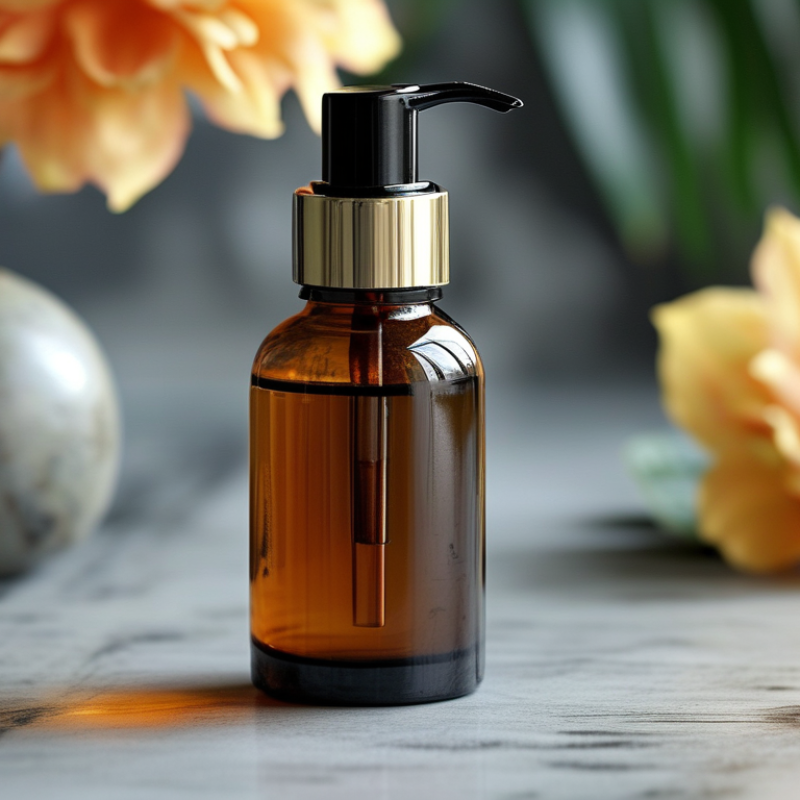
Reliable suppliers should provide documented ingredient sourcing, stability testing, safety assessments, and clear manufacturing records. Ask about minimum order quantities, sample development, filling accuracy, packaging compatibility, and production lead times. A serum may look elegant in a glass dropper bottle, yet oxidize quickly if the formula and closure are poorly matched.

Market segmentation also includes sales channels, such as specialty stores, online retail, and professional skincare providers. Regional expectations can differ. Lightweight textures may suit humid climates, while richer formulas may perform better in dry conditions. Suppliers with flexible production can support these differences without weakening quality control.

Experience matters here. Test pilot batches under realistic storage conditions, not only in a showroom. Review claims carefully. “Visible improvement” needs evidence and responsible wording. A supplier can appear impressive on paper and still miss deadlines or provide inconsistent texture. That risk deserves attention before a large purchase.

Supplier Models Explained: OEM, ODM, and Contract Manufacturing

Choosing top private label face serum suppliers requires understanding their manufacturing model, not just reviewing a glossy sample. Grand View Research valued the global skincare products market at approximately USD 155.7 billion in 2022, with continued growth expected through 2030. That demand attracts capable factories and careless intermediaries.

OEM suppliers manufacture your formula or a supplied formula, giving you stronger control over ingredients, texture, packaging, and claims. ODM suppliers offer ready-developed formulas that can be adjusted faster, usually with lower development costs. Contract manufacturers may provide broader support, including formulation, filling, testing, and regulatory documentation. The labels overlap. Ask precise questions.

Request ISO 22716 or equivalent GMP evidence, batch records, stability data, preservative testing, and certificates of analysis. Check whether testing covers the finished serum, not only raw materials. A supplier claiming “clean” or “natural” should explain its criteria and provide supporting documents. Claims need evidence.

McKinsey estimates the global beauty market could reach about USD 580 billion by 2027, while skincare remains its largest category. This scale makes supplier selection more important, not easier. A polished sample can still hide weak airless-pump compatibility or separation after heat exposure. Run pilot batches. Review viscosity, odor, color, microbial results, and packaging performance over time. I would not rely on the cheapest quotation; that choice often creates expensive revisions later. Percentage yields, minimum order quantities, lead times, and ownership of the formula deserve written confirmation.

Supplier Screening Metrics: MOQ, GMP, ISO 22716, and Lead Times

Top Private Label Face Serum Suppliers?

A capable face serum supplier should pass a practical screening process, not just offer attractive samples. I usually request the MOQ in writing, including separate quantities for formula, packaging, and printed materials. A low MOQ may still hide expensive setup fees. Ask whether the supplier can provide batch records, ingredient specifications, stability data, and traceability documents. Details matter when a serum arrives with different color or viscosity.

GMP procedures should cover weighing, filling, hygiene, equipment cleaning, and employee training. ISO 22716 certification can strengthen confidence, but verify its certificate scope and validity with the issuing body. A certificate alone proves little. Request recent audit information when possible. Review how the factory handles complaints, retained samples, and corrective actions. These records reveal operational discipline better than polished sales language.

Lead time should be divided into development, testing, packaging procurement, production, and delivery. For example, custom bottles may take longer than the serum filling itself. Ask for a written production schedule with approval points and delay procedures. I prefer suppliers that provide a pilot batch before full production. It costs more time, yet it can expose leakage, pump failures, or unstable texture early. My own screening is not perfect; I once focused too heavily on MOQ and underestimated packaging delays. A balanced scorecard is safer than one impressive number.

Safety Standards: FDA MoCRA 2022, EU Cosmetics Rules, and INCI Labels

Choosing top private label face serum suppliers requires more than comparing prices and packaging. In the United States, ask how the supplier supports MoCRA 2022 compliance. Useful records include facility registration, product listing information, safety substantiation, and serious adverse event procedures. The FDA does not generally preapprove cosmetic products. The responsible company must maintain reliable safety records and respond to issues quickly. Ask for batch numbers, stability testing, preservative testing, and documented manufacturing controls.

For EU sales, suppliers should understand Regulation (EC) No 1223/2009. A product needs an EU Responsible Person, Product Information File, Cosmetic Product Safety Report, and Cosmetic Product Notification Portal submission. The formula must meet restricted-substance rules. Claims also need evidence. “Brightening” should not quietly become a medical promise. That wording matters. Review allergen declarations, packaging language, and storage instructions with a qualified safety assessor.

INCI labeling is another practical test. Ingredient names should follow accepted INCI conventions and match the final formula. Check ingredient order, color additives, fragrance allergens, net contents, warnings, and responsible-party details. A supplier’s certificate may look impressive, but it cannot replace independent verification. I would request recent test reports and compare them with the production sample. Small inconsistencies deserve attention. My own review process would still need improvement, especially when formulas change late. Reliable suppliers welcome documented questions, preserve traceability, and explain limitations instead of promising effortless compliance.

Cost Analysis: Unit Economics, Minimum Orders, and Private-Label Margins

Top Private Label Face Serum Suppliers?

Choosing a private label face serum supplier starts with unit economics, not a glossy catalog. Request a complete cost sheet for the formula, bottle, carton, filling, testing, and freight. A serum priced at $2.40 per unit can exceed $3.10 after packaging upgrades and delivery. That difference can quietly damage your margin.

Minimum order quantities shape your cash flow. Some suppliers accept 500 units, while others require 5,000 or more. At 2,000 units, a $2.80 landed cost ties up $5,600 before marketing begins. Ask whether the supplier permits mixed packaging quantities or staged production. It may reduce waste. It may also create higher setup fees.

A practical target is often a 60% to 70% gross margin after landed product costs. However, this figure excludes advertising, payment fees, storage, returns, and retailer discounts. A $16 retail serum with a $4 landed cost looks attractive, but the margin changes quickly under wholesale pricing. Review stability data, ingredient specifications, batch records, and quality certificates before committing. Confirm production controls and testing procedures in writing. One overlooked detail is the pump. Poor dispensing can increase complaints and replacement costs. Cost models are useful, but they are never perfect. Recheck them after receiving a physical sample.

Top Private Label Face Serum Suppliers? - Cost Analysis: Unit Economics, Minimum Orders, and Private-Label Margins

Serum Product Format Typical Fill Size Common Minimum Order Formula Cost per Unit Packaging Cost per Unit Estimated Ex-Works Cost Inbound Freight, Inspection & Duties Estimated Landed Cost Typical Wholesale Price Typical DTC Retail Price Wholesale Gross Margin DTC Gross Margin One-Time Setup Cost Typical Production Lead Time
Basic Hydrating Serum 30 ml / 1 fl oz 500 units US$0.85–1.45 US$0.55–0.95 US$1.40–2.40 US$0.45–0.85 US$1.85–3.25 US$6.00–9.00 US$18.00–28.00 54%–74% 82%–90% US$150–600 6–10 weeks
Niacinamide / Balancing Serum 30 ml / 1 fl oz 500 units US$0.95–1.65 US$0.55–1.00 US$1.50–2.65 US$0.45–0.90 US$1.95–3.55 US$7.00–10.00 US$20.00–32.00 49%–72% 82%–90% US$150–700 6–10 weeks
Vitamin C Serum 30 ml / 1 fl oz 500–1,000 units US$1.25–2.20 US$0.60–1.10 US$1.85–3.30 US$0.50–1.00 US$2.35–4.30 US$8.00–12.00 US$24.00–38.00 46%–70% 82%–90% US$250–900 8–12 weeks
Hyaluronic Acid Serum 30 ml / 1 fl oz 500 units US$1.05–1.80 US$0.55–1.00 US$1.60–2.80 US$0.45–0.90 US$2.05–3.70 US$7.00–10.00 US$20.00–32.00 47%–71% 82%–90% US$150–700 6–10 weeks
Peptide / Anti-Aging Serum 30 ml / 1 fl oz 500–1,000 units US$1.80–3.20 US$0.70–1.25 US$2.50–4.45 US$0.55–1.10 US$3.05–5.55 US$10.00–16.00 US$32.00–55.00 45%–66% 83%–90% US$300–1,200 8–14 weeks
Retinol Serum 30 ml / 1 fl oz 1,000 units US$1.70–3.00 US$0.70–1.30 US$2.40–4.30 US$0.55–1.10 US$2.95–5.40 US$10.00–15.00 US$30.00–48.00 46%–67% 82%–90% US$300–1,200 8–14 weeks
Bakuchiol / Botanical Serum 30 ml / 1 fl oz 500–1,000 units US$1.65–2.90 US$0.65–1.20 US$2.30–4.10 US$0.50–1.00 US$2.80–5.10 US$9.00–14.00 US$28.00–45.00 44%–68% 82%–89% US$250–1,000 8–12 weeks
Premium Glass-Dropper Serum 30 ml / 1 fl oz 1,000 units US$1.40–2.60 US$1.10–2.10 US$2.50–4.70 US$0.60–1.20 US$3.10–5.90 US$11.00–18.00 US$35.00–60.00 44%–72% 83%–90% US$500–1,500 10–16 weeks

FAQS

What drives private label serum demand?

Shoppers seek targeted skincare for hydration, brightening, aging concerns, acne care, and sensitive skin. Demand is growing. Forecasts remain imperfect. Pricing, local preferences, and repeat purchases can change actual results.

How should I evaluate a serum supplier?

Request ingredient sourcing records, stability data, safety assessments, and manufacturing documents. Ask about minimum order quantities, samples, filling accuracy, packaging compatibility, and lead times. A polished bottle proves little.

Why should formula and packaging be tested together?

A serum can oxidize in a glass dropper bottle when the closure poorly protects the formula. Test color, odor, texture, and performance during storage. Do not trust showroom appearance alone.

How do regional climates affect serum formulas?

Lightweight textures may suit humid climates. Richer formulas may feel better in dry regions. Flexible production supports these differences without weakening quality controls. Local testing still matters.

What records should a supplier provide for U.S. sales?

Ask for facility registration support, product listing information, safety substantiation, and serious adverse event procedures. Request batch numbers, stability tests, preservative tests, and manufacturing controls. Records must be reliable.

What is needed for sales in the European Union?

Sales require a Responsible Person, Product Information File, safety report, and portal notification. Restricted substances must be checked. Claims need evidence and should avoid medical promises. Use a qualified safety assessor.

What should an INCI label review include?

Ingredient names must match the final formula and accepted INCI conventions. Check ingredient order, color additives, fragrance allergens, net contents, warnings, and responsible-party details. Compare the label with the production sample. Small mismatches matter.

How can I reduce supplier risk before a large order?

Test pilot batches under realistic storage conditions. Review delivery timing and texture consistency before purchasing heavily. Ask documented questions and preserve traceability. Suppliers should explain limitations. My review process may still miss late formula changes. That deserves reflection.

Conclusion

The Private Label Face Serum market continues to attract skincare entrepreneurs seeking flexible product development and scalable growth. This overview explains how market forecasts, consumer demand, and product segments can guide business planning. It also compares supplier models, including OEM, ODM, and contract manufacturing, helping buyers choose between customized formulas, ready-made products, and outsourced production. A practical supplier screening process should review minimum order quantities, GMP compliance, ISO 22716 practices, production capacity, quality controls, and lead times.

Safety and transparency are essential throughout the process. Businesses should understand applicable requirements under FDA MoCRA 2022, EU cosmetics rules, ingredient documentation, product safety assessments, and accurate INCI labeling. Cost analysis should include formula development, packaging, testing, freight, warehousing, and marketing rather than focusing only on the unit price. By evaluating total unit economics, minimum orders, and realistic private-label margins, buyers can select a reliable manufacturing partner and build a compliant, competitive serum line.

Amelia

Amelia

Amelia is a dedicated marketing professional with a strong understanding of product strategy, customer needs, and digital communication. As a valued member of our company, she combines market insight with practical product knowledge to create clear, useful, and engaging content for both industry......