A beard-care line can begin with a simple observation: customers want products that feel good, work reliably, and fit their routines. Private Label Beard Care gives brands a way to offer grooming products under their own name, without building every formula from scratch. The range might include beard oil, balm, wash, or conditioner. Each choice should reflect the people the brand hopes to serve.
The opportunity is real. So is the work. A polished label cannot make an inconsistent product trustworthy. Brands need to review ingredient details, request samples, and ask manufacturers how they check batch quality. A small test run may reveal practical issues, such as an oil that feels too heavy or a scent that lingers longer than expected. Those details matter at the bathroom mirror.
Clear positioning also helps. A brand might focus on unscented care, lightweight oils, or a straightforward daily routine. Product descriptions should match the formula and avoid claims that cannot be supported. This takes care. Suppliers vary in their communication, documentation, and production options, so asking specific questions is useful. It may feel slow, especially when a launch date is close. Still, moving too quickly can create avoidable costs.
This article explores why brands choose Private Label Beard Care, what to assess when selecting a supplier, and how thoughtful product decisions can support customer confidence. There is no automatic shortcut to loyalty. Consistency earns it, gradually.
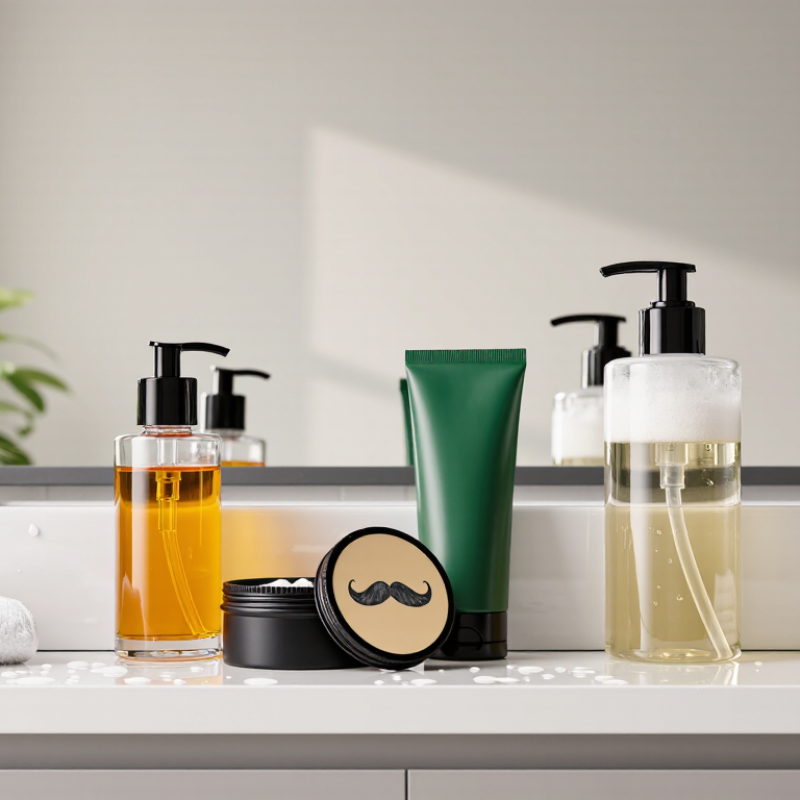
What Private Label Beard Care Means for a Brand
Private label beard care means a brand sells grooming products made by a specialist manufacturer under its own name. The manufacturer may offer ready-made formulas, custom options, or both. A brand can choose items such as beard oil, balm, wash, and combs, then decide how they fit its audience. The label and packaging carry the brand identity. The formula may be shared with other customers unless the agreement specifies otherwise.
Details matter. A lightweight oil should spread easily and leave little residue; a balm needs a texture that softens between the fingers. Brands can review ingredient lists, scent samples, packaging sizes, and product documentation before placing an order. Ask how batches are checked and what support is available if a shipment arrives with a quality concern. Get answers in writing. It helps.
Private label can shorten the path from product idea to shelf, but it does not remove the work of choosing reliable suppliers or understanding customer needs. Minimum order quantities, lead times, and customization limits can shape the budget. This part is easy to underestimate. A ready-made formula may be practical, yet it may not feel distinct enough for a brand’s positioning. Reviewing samples in real use, and gathering honest feedback, can reveal issues that a polished product sheet will not.
How Private Label Beard Care Products Are Developed
Developing private label beard care starts with a clear product brief, not a scent choice alone. A brand defines its audience, preferred texture, price range, and intended routine. That brief guides decisions about oils, balms, washes, and fragrance levels. Formulators review ingredient functions, compatibility, and supplier documentation before preparing a lab sample. Small details matter. A balm that feels smooth in a warm room may turn grainy after temperature changes. Testing samples under varied conditions can reveal issues before packaging is selected. After review, the formula may be adjusted for spread, absorption, scent strength, and residue.
Then comes repeat testing. Teams assess appearance, odor, texture, and packaging fit across batches, recording each change. Container choice is practical: a wide-mouth jar is easy to use, while a pump can limit direct contact. Neither option suits every formula. Stability and compatibility checks help assess how the product and package perform together over time. Final specifications should clearly describe ingredients, fill amount, storage guidance, and quality checks. Development is rarely perfectly linear; a scent may work on paper yet feel too strong during use. That feedback deserves another round, not a rushed launch.
How Private Label Beard Care Products Are Developed
An illustrative planning timeline for key development stages. Durations are estimates, not industry-wide benchmarks; actual timing depends on the formula, testing requirements, packaging, and local regulations.
Stability and safety testing may overlap with packaging development, so the stages do not always add up to the total calendar time.
What Benefits Private Labeling Offers to Brands
Private label beard care lets a brand offer oils, balms, and washes under its own identity, using existing formulas or customized options. This can shorten development compared with creating a formula from scratch, though timelines depend on the supplier, packaging, testing, and order size. A focused range helps customers compare clear choices: lightweight oil for daily softness, balm for shaping, and a mild wash for cleansing. Keep claims realistic. These products can condition hair and skin, but they cannot promise new growth.
Private labeling may reduce formulation work and give teams more time for packaging, customer feedback, and retail planning. Smaller product tests may be possible, depending on minimum order quantities. Consistent packaging and scents can make a range feel coherent on a shelf. Still, less development work does not mean no oversight. Request ingredient documentation, batch controls, stability information, and storage guidance. Check label wording for the places where products will be sold. Suppliers differ, and a polished sample does not prove every batch will feel identical. That deserves attention.
Tips: Start with one or two useful products, not a crowded collection. Test scent strength and texture across different beard types. Keep a sample log. Note how easily the oil spreads, whether balm leaves residue, and how the wash feels after rinsing. Small details matter. Ask customers what they actually finish, not only what they like in a survey. That feedback may be imperfect, but it is useful.
Why Choose Private Label Beard Care for Your Brand? — What Benefits Private Labeling Offers to Brands
| Benefit Area |
What Private Labeling Can Offer |
How It Can Support a Brand |
Practical Consideration |
| Brand Identity |
Products can be presented under your own brand name, with packaging and visual design selected for your target audience. |
Creates a consistent brand experience across beard oils, balms, washes, and other grooming products. |
Check packaging options, artwork requirements, and approval timelines with the manufacturer. |
| Product Range |
Depending on the supplier, a range may include products such as beard oil, balm, wash, conditioner, and grooming accessories. |
Helps brands build a coordinated assortment rather than relying on a single product type. |
Product availability, formula choices, and minimum order quantities vary by supplier. |
| Formula Selection |
Some manufacturers offer existing formulas, while others may provide customization options for ingredients, fragrance, or texture. |
Allows a brand to select products that fit its positioning and customer preferences. |
Confirm ingredient lists, samples, stability information, and any customization costs before ordering. |
| Market Differentiation |
Product presentation, scent choices, packaging, and assortment can help distinguish an offering from generic alternatives. |
Gives a brand more control over how its beard-care range is positioned and communicated. |
Distinctive packaging alone does not establish product performance; descriptions should match substantiated product qualities. |
| Operational Setup |
A private-label supplier may handle manufacturing and filling, while the brand focuses on product selection, marketing, and sales. |
Can provide access to established production capabilities without building an in-house manufacturing operation. |
Responsibilities differ by agreement. Clarify production, quality checks, packaging, shipping, and documentation. |
| Launch Planning |
Using an existing formula may involve fewer development steps than creating a completely new formula from scratch. |
Can make it easier to plan a product launch around available manufacturing options. |
Lead times, testing needs, label review, and order minimums still affect launch schedules. |
| Commercial Control |
The brand chooses its retail presentation and pricing strategy, subject to its supplier agreement and business costs. |
Supports a product offer that can be aligned with the brand’s chosen sales channels and customer segment. |
Evaluate total costs, including product, packaging, freight, duties, and channel fees; profitability is not guaranteed. |
| Claims and Compliance |
Brand-owned labels and product pages can be written to reflect the product’s intended use and verified attributes. |
Encourages clear, consistent communication across packaging and marketing materials. |
Cosmetic requirements and permitted claims depend on the markets where products are sold. Verify applicable rules and supporting evidence. |
Note: Private-label services, product options, order requirements, and regulatory responsibilities differ among manufacturers and markets. Confirm the details directly with your supplier before making product or launch commitments.
How to Choose Products and Formulations for Your Market
Choosing private-label beard care starts with the people in your market, not a supplier’s product list. Ask whether customers have short stubble, full beards, sensitive skin, or dry winter conditions. A lightweight oil may suit warm, humid regions, while a richer balm can help manage coarse hair in colder weather. Small details matter. A glass dropper feels precise, but it may be inconvenient for travel; a pump can be easier to use, though thick formulas may clog it.
Build a focused range before adding every possible product. A gentle beard wash, conditioning oil, and styling balm can cover basic routines without confusing shoppers. Review ingredient functions, fragrance strength, texture, and how quickly each formula absorbs. Request samples, then test them with people who match your intended audience. Ask them to use the products for several days and note residue, scent, and skin comfort. Feedback can be uneven. That is useful, even when it challenges your first idea. Check that packaging suits the formula and that ingredient, safety, and labeling documentation is available for your target market. Requirements vary by region, so verify them before launch. A polished scent cannot compensate for a formula that feels greasy after ten minutes.
What to Evaluate in a Private Label Manufacturing Partner
A beard oil can look excellent in a sample vial and still turn cloudy after weeks on a warm shelf. That is why a private label partner should explain its stability testing, packaging compatibility checks, and batch records. Ask how it tracks ingredient lots and handles a failed quality check. Specific answers matter. “We test everything” is not enough.
Market growth makes these checks commercially relevant, but it does not guarantee demand for any one product. Grand View Research valued the global men’s grooming products market at USD 58.3 billion in 2023 and forecast a 6.4% compound annual growth rate from 2024 to 2030. The category is broader than beard care, so treat this as context, not a sales forecast. Request evidence for claims such as “non-greasy” or “softening,” and confirm the manufacturer can support the tests behind them. Review minimum order quantities, production timelines, and how formula changes are documented. ISO 22716 provides cosmetics good manufacturing practice guidance; ask whether the facility follows it and what records you can review. Samples help. But a perfect first batch may not predict the next one, and that uncertainty deserves a direct conversation.
FAQS
A specialist manufacturer makes products sold under a seller’s own identity. Formulas may be ready-made or customized. Some may be shared.
A gentle wash, conditioning oil, and styling balm cover common routines. Keep the range focused. More products can confuse shoppers.
Consider beard length, skin comfort, climate, and hair texture. Lightweight oil may suit humid weather. Coarse hair may need richer balm.
Try each product on suitable users for several days. Note scent strength, spread, residue, and skin comfort. Keep a sample log.
A glass dropper offers precise dosing but may be awkward for travel. A pump is convenient, though thick formulas can clog it.
Ask for ingredient details, batch checks, stability information, storage guidance, and quality support. Get key answers in writing. It helps.
No. Review documentation and label details for your target market. Supplier practices vary. A polished sample proves little about every batch.
Avoid that promise. Oils, balms, and washes can condition hair and skin, but they cannot guarantee new growth. A nice scent is not enough.
Conclusion
Private Label Beard Care allows a brand to offer beard products under its own identity without developing every formula and production process from scratch. The approach typically begins with choosing product types and defining the qualities a line should deliver, followed by formula development, sample review, packaging decisions, and production planning. This creates a clear path from an initial product concept to a coordinated collection suited to a brand’s audience.
Private labeling can help brands build a distinct product range, focus on customer needs, and adapt their assortment as preferences change. Choosing suitable products and formulations means considering factors such as beard type, texture, scent preferences, and the intended use of each item. Before selecting a manufacturing partner, brands should assess product-development support, ingredient and quality practices, communication, production capacity, and consistency. Careful planning across these stages can help create a practical, cohesive beard-care line.