Industry Knowledge & Articles

Skincare Insights & Blog

Expert articles on custom formulation, regulatory trends, private label manufacturing, and global cosmetic innovations.

0%

Choosing a Private Label Eyelash Enhancer can help your brand enter beauty retail with a focused, recognizable product. It combines a prepared formulation with your own packaging, positioning, and customer experience.

In product development, small details often influence trust. A clean brush should separate lashes without excessive product buildup. A slim tube should fit easily beside a makeup bag mirror. Clear ingredient information can answer practical questions before purchase. These details may appear simple. They are not.

A reliable manufacturer should provide formulation records, stability testing, packaging guidance, and appropriate safety documentation. Product claims must remain accurate and supported by evidence. “Longer-looking lashes” is different from promising guaranteed growth. Your brand needs careful wording, not exaggerated results.

Private labeling also allows customization. You may select a conditioning formula, adjust the applicator, or create packaging that matches your existing collection. However, customization has limits. A darker box cannot fix poor usability. A premium name cannot replace consistent quality.

Responsible brands review ingredient suitability, manufacturing standards, batch control, and regional cosmetic requirements before launch. They also consider consumer feedback after release. Does the brush feel comfortable? Does the formula dry evenly? Does the packaging protect the product during shipping?

No formula is perfect for everyone. Some users may experience sensitivity. Honest instructions and clear precautions matter. When technical support, practical testing, and transparent communication work together, a Private Label Eyelash Enhancer can become more than another beauty item. It can become a credible extension of your brand.
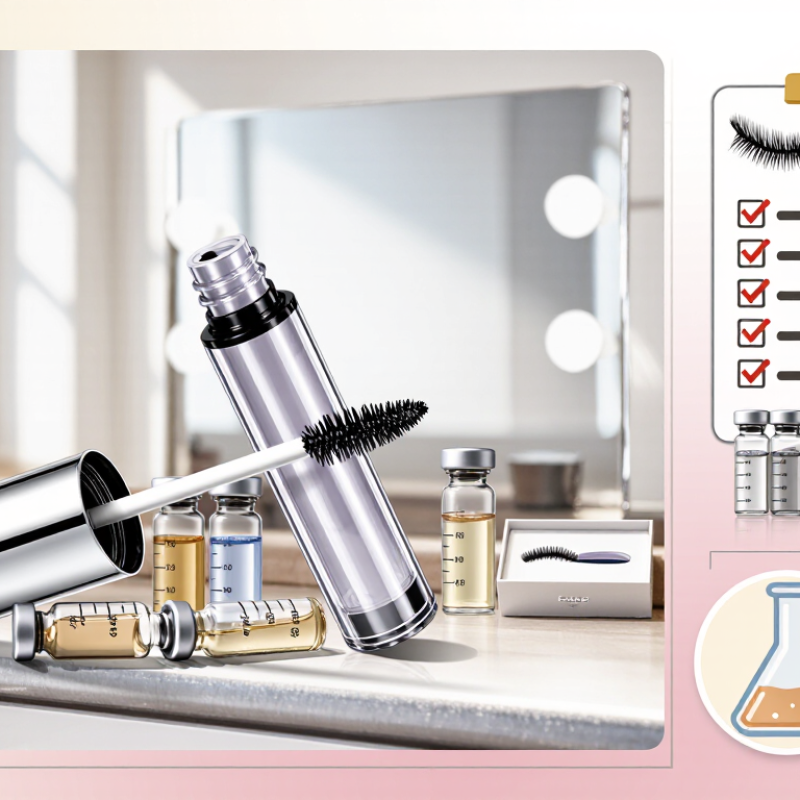
Why Choose Private Label Eyelash Enhancer for Your Brand?

What Is Private Label Eyelash Enhancer?

Why Choose Private Label Eyelash Enhancer for Your Brand?

What Is Private Label Eyelash Enhancer?

Private label eyelash enhancer is a cosmetic product made by a specialized manufacturer for sale under your own brand. The manufacturer may develop the formula, fill the tubes, and prepare compliant packaging. Your business controls the name, design, target customer, and retail position. In most cases, the product conditions lashes and improves their visible appearance. It should not be presented as a medical treatment or guaranteed growth solution.

Market interest supports careful product development. McKinsey’s 2023 beauty industry report forecasts the global beauty market could reach about 580 billion dollars by 2027, with roughly 6% annual growth. Grand View Research also identifies eyelash serum as a growing cosmetic category, supported by demand for simple, at-home beauty routines.

The numbers look promising. They are not promises.

A reliable private label program needs more than an attractive tube. Ask for ingredient specifications, stability testing, batch records, and manufacturing controls aligned with ISO 22716 principles. Check the ingredient list using accepted cosmetic naming standards. Packaging should include directions, warnings, net contents, and a suitable period-after-opening symbol where required. Target-market rules differ, so regulatory review remains essential. Results vary.

A safer claim is “helps lashes look conditioned and defined.” Testing matters, yet even well-designed testing may not predict every user’s experience.

How Does Private Label Eyelash Enhancer Work?

Private label eyelash enhancer works mainly by conditioning the lashes and improving their visible appearance. A lightweight formula is brushed along the clean, dry lash line, usually once daily. Humectants help retain moisture, while panthenol, amino acids, and conditioning agents may reduce dryness and brittleness. The lashes can look smoother, darker, or more defined.

It does not magically create new follicles. That distinction matters. Most cosmetic enhancers support the existing lash structure rather than changing biological growth cycles. With consistent use, flexible lashes may break less during cleansing or makeup removal. Results vary because lash cycles, skin sensitivity, and application habits differ. Some users notice improvement quickly; others do not.

For a private label product, your brand can select the texture, applicator, packaging, and approved cosmetic claims. A reliable manufacturer should provide ingredient specifications, stability testing, microbiological results, and clear usage guidance. Practical testing on different skin types is valuable, but it is not perfect. The formula may feel comfortable for one customer and cause redness for another. A warning to avoid direct eye contact, plus a patch test recommendation, supports safer use. Careful documentation builds trust before the first sale.

Why Choose Private Label Eyelash Enhancer for Your Brand? – How Does Private Label Eyelash Enhancer Work?

Evaluation Dimension How It Works Common Formula Options Typical Product Positioning Suitable Private Label Advantage Important Compliance Point
Eyelash conditioning Moisturizing and film-forming ingredients help reduce dryness and improve the appearance of lashes that look brittle or dull. Panthenol, glycerin, hydrolyzed proteins, amino acids, plant extracts and lightweight polymers. Healthier-looking, softer and more conditioned lashes. Can support a gentle daily-use concept without relying on drug-like claims. Cosmetic claims should focus on appearance and conditioning rather than treating hair-loss conditions.
Peptide-based support Certain cosmetic peptides are used as conditioning or appearance-enhancing ingredients; they do not function as proven prescription lash-growth drugs. Myristoyl pentapeptide-17, biotinoyl tripeptide-1 and other cosmetic peptide systems, depending on the formulation. A science-inspired, prostaglandin-free eyelash care serum. Allows differentiated ingredient storytelling and a premium skincare-style positioning. Ingredient supplier documentation and finished-product safety evaluation should support all marketing statements.
Prostaglandin and prostaglandin-analogue status Prescription prostaglandin drugs can affect the eyelash growth cycle, but they are pharmacologically active and are not equivalent to ordinary cosmetic conditioners. A cosmetic private label product is generally formulated without prescription prostaglandin drugs unless developed and approved under applicable drug regulations. “Prostaglandin-free” or “drug-free” positioning, where legally substantiated. May appeal to consumers seeking a non-prescription lash-care option. Avoid claims that imply the same efficacy as a prescription treatment. Classification depends on ingredients, claims and local law.
Application method A fine brush applies a small amount along the upper lash line, helping limit unnecessary product contact with the eye surface. Brush-tip pen, precision liner applicator, serum wand or dual-ended packaging. Easy-to-use nightly or daily lash routine. Packaging, applicator shape and usage instructions can be customized for a specific target audience. The label should state where and how to apply the product and should warn users to stop use if irritation occurs.
Expected usage timeline Lashes grow in cycles, so cosmetic conditioning effects are usually assessed over several weeks rather than after one application. A typical consumer-use program may recommend consistent application for 8–12 weeks, subject to product directions and testing. Progress-based beauty routine with periodic visual comparison. Brands can create education-led packaging and realistic before-and-after protocols. Do not guarantee a specific growth rate or result unless supported by appropriate, well-designed testing.
Safety and tolerance Because the product is used near the eyes, low-irritation formulation, microbiological control and suitable packaging are essential. Ophthalmologically evaluated base, appropriate preservative system, controlled pH and air-restrictive packaging. Sensitive-eye friendly, fragrance-free or contact-lens compatible, only when verified. Private label development can combine a ready formula with customized safety and compatibility testing. “Ophthalmologist tested,” “hypoallergenic” and similar claims require suitable evidence and may have different legal meanings by market.
Quality-control indicators Testing confirms that the formula remains safe, stable and consistent throughout its intended shelf life. Stability testing, preservative efficacy testing, microbiological testing, packaging compatibility and batch specification checks. Reliable texture, controlled dispensing and consistent appearance from batch to batch. A documented quality system can help support retailer, distributor and regulatory requirements. Testing requirements vary by destination market, product classification, packaging and intended claims.
Brand customization A standard base can be adapted through packaging, shade, fragrance-free specifications, applicator design and approved claim language. Clear serum, tinted serum, vegan-oriented formula, minimalist formula or premium treatment-style presentation. Targeted product lines for salons, e-commerce, sensitive-eye users or clean-beauty shoppers. Faster market testing and stronger visual differentiation than an unbranded generic product. All customized claims, ingredient declarations and packaging statements should be reviewed before launch.
Recommended claim direction Describe observable cosmetic benefits such as conditioning, moisturizing, improving the look of lashes and supporting a polished lash-care routine. “Conditions lashes,” “helps lashes look fuller,” “supports a healthier-looking appearance” and “precision application.” Responsible, evidence-based beauty positioning. Clear claims can improve consumer confidence and reduce the risk of overpromising. Avoid unsubstantiated claims such as guaranteed growth, treatment of hypotrichosis or permanent results for a cosmetic product.

Note: Cosmetic regulations, permitted ingredients and claim requirements differ by country or region. Final formulas and marketing statements should be reviewed against the laws of each intended market.

What Benefits Does It Offer Your Brand?

Why Choose Private Label Eyelash Enhancer for Your Brand?

A private label eyelash enhancer gives your brand control over product direction, packaging, and customer experience. You can select a lightweight formula that dries quickly and leaves lashes looking more defined. A precise brush can help users coat the roots without creating messy clumps. Small details matter.

Your team can request packaging that matches your market, from a slim tube for handbags to a soft-touch carton for premium shelves. Custom labels also help explain usage, ingredients, storage, and realistic cosmetic benefits. Instead of copying a generic product, you can build a clearer identity around everyday lash care. Early samples may feel slightly sticky or dry too slowly. Do not hide that. Test, adjust, and test again.

Reliable development requires more than attractive packaging. Qualified cosmetic formulators should review the ingredient list and support suitable safety documentation. Manufacturers should provide batch records, stability information, and clear quality specifications. Practical testing can examine brush comfort, drying time, scent, and packaging leakage. Ask real users to apply the enhancer for several weeks and record their experience. Some users may notice a visible difference, while others may not. That uncertainty deserves honest communication. Review feedback carefully. Adjust the formula or instructions when evidence supports the change. This process strengthens trust and gives your brand a more dependable product foundation.

How to Choose the Right Eyelash Enhancer Manufacturer

Why Choose Private Label Eyelash Enhancer for Your Brand?

Private label eyelash enhancer can offer faster product development and clearer brand positioning. McKinsey’s 2023 beauty report projects the global beauty market will reach about $580 billion by 2027. Grand View Research also estimates steady growth in the eyelash serum market through 2030. These figures suggest opportunity, but demand alone cannot guarantee repeat purchases. Formula performance, packaging quality, and supplier reliability matter more than attractive product photos.

Choose a manufacturer with documented cosmetic GMP procedures, such as ISO 22716-based controls. Request ingredient specifications, certificates of analysis, microbiological results, and stability-testing records. Ask how the formula performs after heat, cold, light, and repeated opening. A good supplier should explain preservative testing clearly. Avoid vague answers. They create risk.

Check whether the manufacturer can support your target markets and provide accurate claims evidence. Claims such as “stronger-looking lashes” need suitable testing and careful wording. Review batch traceability, complaint handling, minimum order quantities, and production lead times. Packaging compatibility deserves attention too; a leaking brush can damage customer trust within days. A low quote can look attractive. It may hide weak testing or inconsistent materials. No factory is perfect, so honest limitations are useful. I would rather choose a transparent partner than accept impressive promises without records.

What Should You Consider Before Launching Your Product?

Private label eyelash enhancers can help a beauty brand enter the market with a distinctive product and controlled presentation. Yet the real work starts before choosing a formula. Define the customer, expected benefit, price position, and daily usage routine. A serum for fragile-looking lashes may need different testing from a cosmetic conditioner. Avoid promising dramatic growth unless strong evidence supports the wording. Clear, modest claims are easier to defend and easier for customers to trust.

Ask the manufacturer for a complete ingredient list, safety documentation, batch records, and stability results. Check whether the formula remains uniform after heat, light, and storage changes. Review preservative performance, packaging compatibility, and applicator hygiene. An airless container may protect the formula better, but it can increase filling costs. Request samples from more than one production batch. One sample can look perfect. That is not enough evidence. Independent laboratory testing may reveal irritation risks that visual inspection misses. Ensure labels, advertising, and claims meet requirements in every intended market.

Tips: Test the product with appropriate volunteers under professional oversight, informed consent, and clear stop rules. Record feedback about stinging, dryness, scent, application, and visible residue. Ask users to photograph results under similar lighting. Keep honest records, including disappointing results. I once underestimated how much a thick applicator affected precision. Small design flaws can weaken repeat use. Leave time for a second formula review, because rushed decisions often reach packaging. Choose a supplier that communicates promptly, explains limitations, and traces every lot.

Why Choose Private Label Eyelash Enhancer for Your Brand?

What Should You Consider Before Launching Your Product?

Eyelash products should be positioned around the natural lash cycle rather than promising immediate results. The growth phase typically lasts about 30–45 days, the transition phase about 15–20 days, and the resting phase approximately 90–120 days. These biological timelines should guide product testing, claim development, usage instructions, and customer expectations before launching a private label eyelash enhancer.

Typical reported ranges from dermatology and ophthalmology references; individual results may vary. Product claims should be supported by appropriate safety and efficacy testing and reviewed for the target market’s cosmetic regulations.

FAQS

How does a private label eyelash enhancer work?

It conditions existing lashes with moisture-retaining and strengthening ingredients. Lashes may look smoother, darker, and more defined. Results can vary.

Does it create new eyelash follicles?

No. It supports the current lash structure rather than changing biological growth cycles.

How should users apply the enhancer?

Apply a thin layer along clean, dry lash lines, usually once daily. Avoid direct eye contact.

What ingredients may support lash appearance?

Humectants, panthenol, amino acids, and conditioning agents may reduce dryness and brittleness. The exact formula matters.

What benefits can a custom eyelash enhancer offer?

It can support softer, more flexible lashes and reduce breakage during cleansing. Some users may notice clearer definition.

What packaging details should be considered?

A slim tube fits handbags, while a soft-touch carton suits premium shelves. Packaging should explain usage, storage, and realistic cosmetic benefits.

What product testing is useful before launch?

Test brush comfort, drying time, scent, leakage, and skin compatibility. Use several skin types. Testing is not perfect.

What should happen if early samples feel sticky?

Record the problem, adjust the formula, and test again. Do not hide it. Small flaws can reveal useful improvements.

What safety information should accompany the product?

Include a patch test recommendation and a warning against direct eye contact. Clear instructions help reduce avoidable irritation.

Why are honest claims important for eyelash care?

Lash cycles, sensitivity, and application habits differ. Some users see changes quickly; others may see little difference. Clear expectations build trust.

Conclusion

Private Label Eyelash Enhancer is a customizable beauty product developed by a specialized manufacturer and sold under your own brand name. It is typically formulated with carefully selected cosmetic ingredients designed to condition lashes, support a healthier-looking appearance, and fit into a simple daily beauty routine. By choosing this product, brands can create a distinctive identity, control packaging and presentation, and offer customers a targeted solution without managing the entire manufacturing process.

To build a successful product, select a reliable eyelash enhancer manufacturer with strong quality control, transparent ingredient information, flexible customization options, and dependable production capabilities. Before launch, consider your target audience, product positioning, packaging design, pricing, shelf life, testing requirements, and applicable cosmetic regulations in your intended markets. Clear product instructions and responsible marketing claims are also important for building customer trust. With thoughtful planning and the right manufacturing partner, a Private Label Eyelash Enhancer can become a practical addition to a professional beauty portfolio.

Amelia

Amelia

Amelia is a dedicated marketing professional with a strong understanding of product strategy, customer needs, and digital communication. As a valued member of our company, she combines market insight with practical product knowledge to create clear, useful, and engaging content for both industry......