Engineered for global cosmetic distributors, brand owners, and e-commerce leaders. Custom private label formulations available with scalable MOQs, high efficacy actives, and international compliance dossiers.

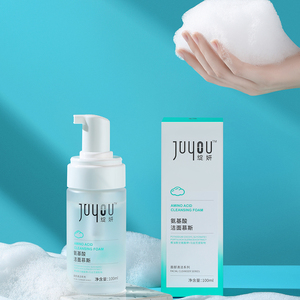
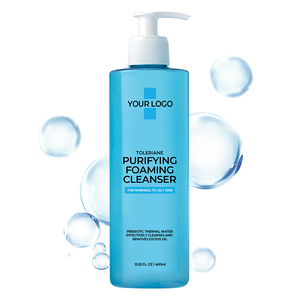
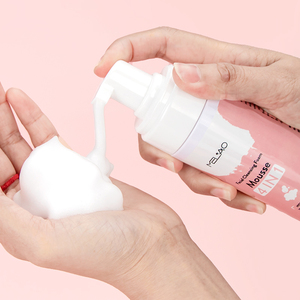
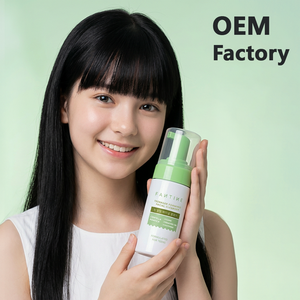
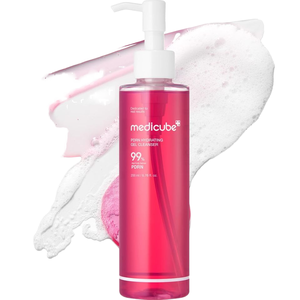
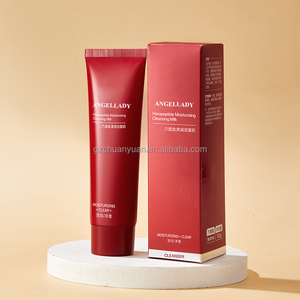
As a Taiwan-founded premier OEM/ODM manufacturer with high-tech facilities including our flagship green production plant in Douliu City, Yunlin County, we empower international beauty brands with accredited safety standards, bio-tech precision, and sustainable contract manufacturing.
Our operations strictly comply with ISO 22716, Cosmetic GMP, ECOCERT Natural/Organic, ISO 14001 Environmental Management, and ISO 14067 Carbon Footprint verifications, guaranteeing uncompromised product safety across EU, US, and Asian markets.
Our Douliu plant integrates state-of-the-art solar power generation (reducing CO2 emissions by over 232,970 kg), automated vacuum emulsification systems, and Class 100,000 cleanroom environments for zero-contamination serum bottling.
Backing your brand is our specialized team of cosmetic chemists and skin biologists. We maintain an extensive library of stability-tested active formulations ready for fast-track private label deployment or custom synthesis.
Information Gain Insight: Moving beyond standard single-active formulations into multi-pathway cellular rejuvenation, ultra-low nicotinic acid purity controls, and targeted transdermal delivery systems.
Niacinamide (Nicotinamide, Vitamin B3) is a vital precursor to the coenzymes NAD(H) and NADP(H), which power cellular energy metabolism, DNA repair, and epidermal lipid synthesis. However, a major technical hurdle in lower-grade wholesale serums is the residual presence of free nicotinic acid—a breakdown byproduct that triggers cutaneous vasodilatation, facial flushing, and burning sensations on sensitive skin.
Biocrown International’s bio-fermentation and advanced crystallization technologies control free nicotinic acid levels to strictly below 10 ppm (parts per million). This medical-grade purity allows brand owners to market high-potency formulations (ranging from 5% to 15% concentrations) without risking skin redness or irritation, unlocking dermatological-grade positioning.
Modern consumers demand complex, multi-functional skincare solutions. Our R&D laboratory specializes in formulating synergistic active complexes:
Hydrophilic actives like Niacinamide often face transepidermal resistance. Biocrown utilizes proprietary Liposomal Micro-Encapsulation Technology:
Compare commercial OEM formulation tiers tailored to specific market positioning, target demographics, and retail pricing strategies.
| Formulation Tier | Active Concentration | Purity (Nicotinic Acid) | Viscosity Range | Stability Benchmark | Target Retail Channel |
|---|---|---|---|---|---|
| Daily Hydration Grade | 2.0% – 3.5% Niacinamide | < 50 ppm | 1,500 – 3,000 cPs | 45°C / 75% RH (3 Months) | Mass Market / FMCG Retail |
| Brightening & Pore Refining | 5.0% – 7.0% + 1% Zinc PCA | < 20 ppm | 3,500 – 6,000 cPs | Freeze-Thaw Cycle (-10°C to 50°C) | DTC Beauty Brands & Pharmacies |
| Clinical Derm Cosmeceutical | 10.0% – 15.0% + NAG + HA | < 10 ppm (Ultra-Pure) | 8,000 – 12,000 cPs | Accelerated 6-Month Real Time Verified | Professional Aesthetic & MedSpas |
| Waterless Micro-Powder Serum | 20.0% Encapsulated Complex | < 5 ppm | Dry Anhydrous Powder | 36-Month Shelf-Life Guaranteed | Luxury Clean Beauty & Eco-Refill |
Strategic foresight for brand managers preparing their product roadmaps for next-generation regulatory compliance and consumer expectations.
Global importers, particularly in the EU and North America, are auditing full supply-chain carbon footprints. Biocrown's ISO 14067 certification and solar-powered manufacturing offer verified low-carbon production credentials that simplify scope 3 reporting for global retailers.
With the US FDA MoCRA enforcement and strict EU Cosmetic Regulation 1223/2009 standards, buyers require comprehensive Product Information Files (PIF), Cosmetic Product Safety Reports (CPSR), and heavy metal/microbial challenge data for every export batch.
Niacinamide formulations are evolving into multi-protective barriers. Next-gen B2B procurement focuses on formulas blended with ECOCERT postbiotics and ectoin to protect keratinocytes against high-energy visible (HEV) blue light and environmental pollution.
Clear, authoritative guidance on minimum order quantities, custom R&D lead times, stability testing protocols, and international export procedures.
Our standard MOQ for OEM/ODM serum manufacturing starts at 3,000 units for standard packaging formulations. For custom bulk liquid production or specialized custom-molded glass packaging, MOQs range between 5,000 to 10,000 units depending on raw material sourcing and container design specifications.
Biocrown utilizes raw Niacinamide with guaranteed purity levels (<10 ppm free nicotinic acid) and precise pH-buffering systems (maintained at pH 5.5 to 6.5). This prevents thermal degradation into nicotinic acid during manufacturing and storage, ensuring long-term color transparency and high cutaneous tolerance.
We provide complete regulatory support packages including Certificate of Analysis (COA), Safety Data Sheets (SDS/MSDS), Certificate of Free Sale (CFS), Stability Test Reports, Heavy Metal & Microbiological Challenge Test Results, US MoCRA facility registration details, and EU-compliant Product Information Files (PIF/CPSR).
Yes. Our full OEM/ODM service allows 100% customization. You can select synthetic fragrance-free organic formulations, natural essential oil aromas, specific gel/liquid viscosities, amber glass dropper bottles, airless pump dispensers, or PCR (Post-Consumer Recycled) sustainable plastic containers.
R&D sample development takes 7–10 business days. Upon formula approval and packaging artwork sign-off, mass manufacturing and automated filling are completed in 30–45 days. Accelerated production tracks are available for established repeat order clients.
Every raw ingredient batch undergoes HPLC identity and purity assay testing. Finished serums are subjected to 3-month accelerated stability testing (45°C at 75% relative humidity), freeze-thaw thermal stress testing (-10°C to 50°C), and micro-challenge tests before bulk packaging clearance.
